Unlike aggressive daytime mosquitoes (Aedes species) that breed in small, clean water containers, Culex mosquitoes prefer organically rich, polluted, or stagnant water. They are active primarily from dusk until dawn.
Marietta provides two critical environmental factors that support dense Culex populations:

The Cobb County Board of Health and the Georgia Department of Public Health continuously monitor WNV activity through mosquito trapping and testing, as well as dead bird surveillance.
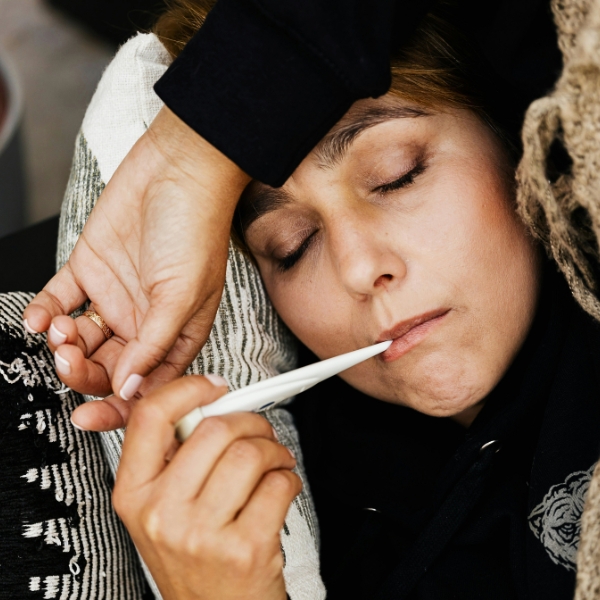
When a human is bitten by an infected vector, the clinical outcomes fall into three distinct categories:


The threat timeline for West Nile Virus varies dramatically depending on geographic latitude. The temperature directly dictates the speed at which the virus replicates inside the mosquito (the extrinsic incubation period).
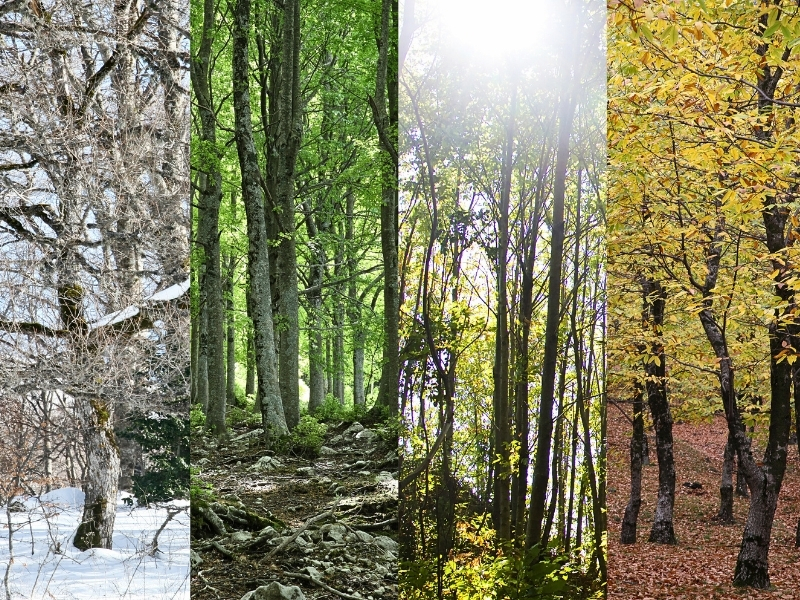
In colder climates, the mosquito season is abruptly halted by early autumn frosts. In Marietta, late-summer droughts followed by sustained temperatures in the 80s and 90s (Fahrenheit) into September and October accelerate viral replication within the mosquito population. This prolonged heat window is when the highest concentration of infected mosquitoes transitions from feeding on birds (who begin their migratory patterns) to feeding on mammals in residential areas.