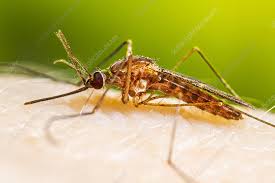
Marietta’s warm, humid climate and seasonal rainfall make it a prime environment for several mosquito species. From densely wooded neighborhoods and backyard ponds to urban drainage areas and shaded patios, mosquitoes in Cobb County are active for much of the year especially from late spring through early fall.
While over 60 species of mosquitoes are found in Georgia, only a handful are responsible for most of the bites, irritation, and potential disease spread in the Marietta area.

Perhaps the most recognizable mosquito in Marietta thanks to its black-and-white striped legs and aggressive biting behavior.
Active mostly during the daytime, especially early morning and late afternoon.
Breeds in small amounts of standing water — flowerpots, gutters, birdbaths, yard debris, and even bottle caps.
Known for being highly resilient and a major nuisance in residential areas.
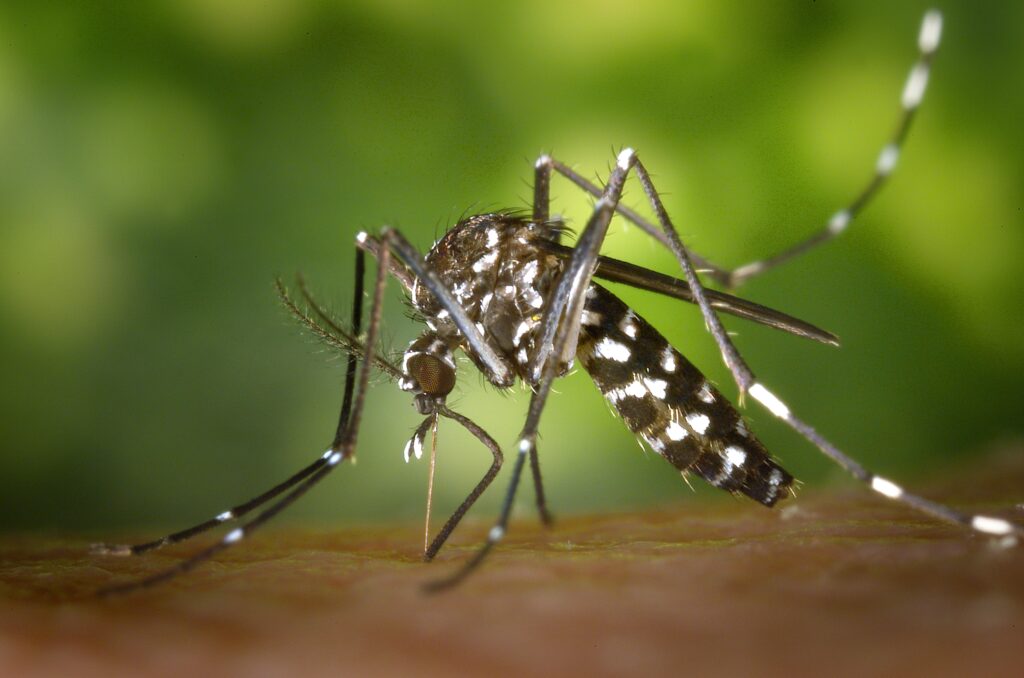
Less common than Aedes albopictus in Georgia but still present in warmer urban pockets.
Prefers to live close to human homes and bites primarily during the day.
Known globally as a vector for Zika, dengue, and yellow fever — though these diseases are not typically transmitted locally in Georgia.
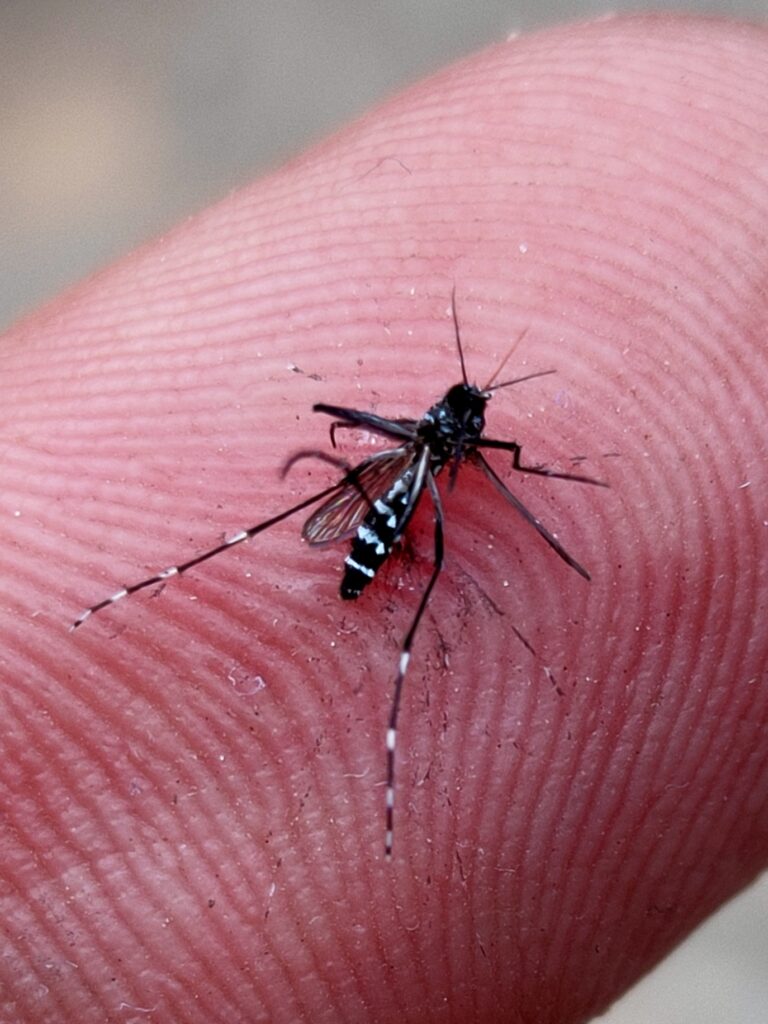
These nighttime-biting mosquitoes are most active from dusk through early morning.
They prefer stagnant, organic-rich water such as storm drains, ditches, birdbaths, clogged gutters, and ponds.
Main carriers of West Nile virus in Georgia, which is detected in mosquito pools across the Atlanta metro area each summer.
Populations increase significantly during hot, humid weather following heavy rain.
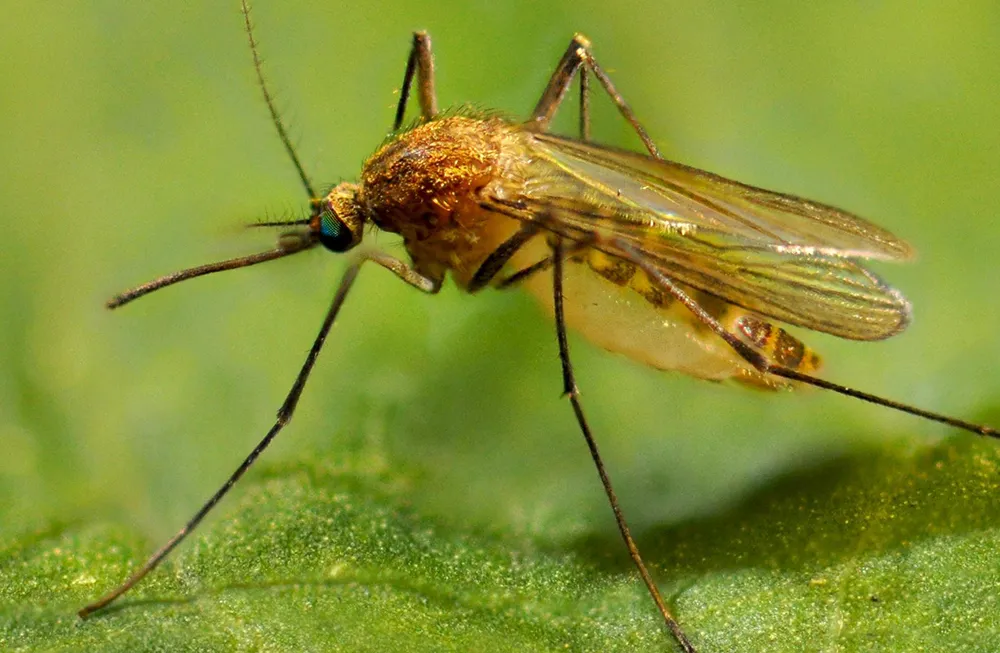
Found near ponds, marshes, and still bodies of freshwater.
Active mostly at night and around dusk.
Historically associated with malaria transmission in the United States, though malaria is no longer endemic in Georgia.