Huntsville

Understanding the Impact of Fungus Gnats in Huntsville

The Biological Profile of Fungus Gnats

Fungus gnats are small, delicate-looking flies, typically measuring between 1.5 mm and 3 mm. They are distinguished by their long, slender legs and segmented antennae, which are longer than their heads. Unlike mosquitoes, adult fungus gnats do not bite humans or animals. Instead, they are attracted to light and moisture.

The real impact of this insect occurs during its larval stage. The larvae are translucent, legless “worms” with distinct black heads. They thrive in damp soil rich in organic matter, where they feed on fungi, algae, and critically the root hairs of plants.
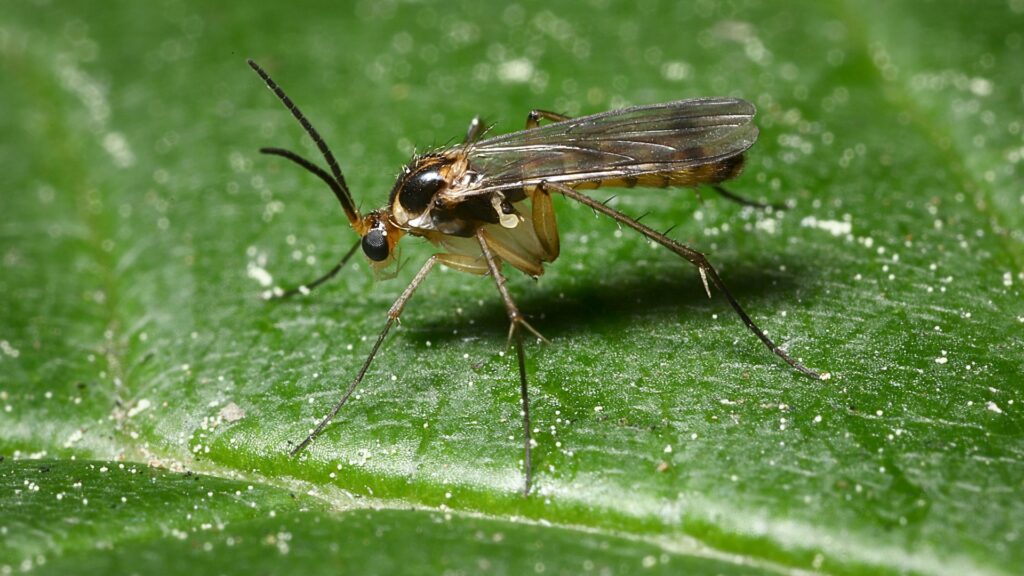
Fungus Gnat Hero image Mosquito Shield

Local Impact: Huntsville’s Climate and Environment

1. High Humidity and Rainfall

The Tennessee Valley is characterized by high humidity levels and an average annual rainfall that exceeds 50 inches. This consistent moisture creates the ideal “damp soil” environment required for fungus gnat eggs to hatch. In areas with poor drainage or clay-heavy North Alabama soil, water can remain trapped near the surface, providing a perennial breeding ground.
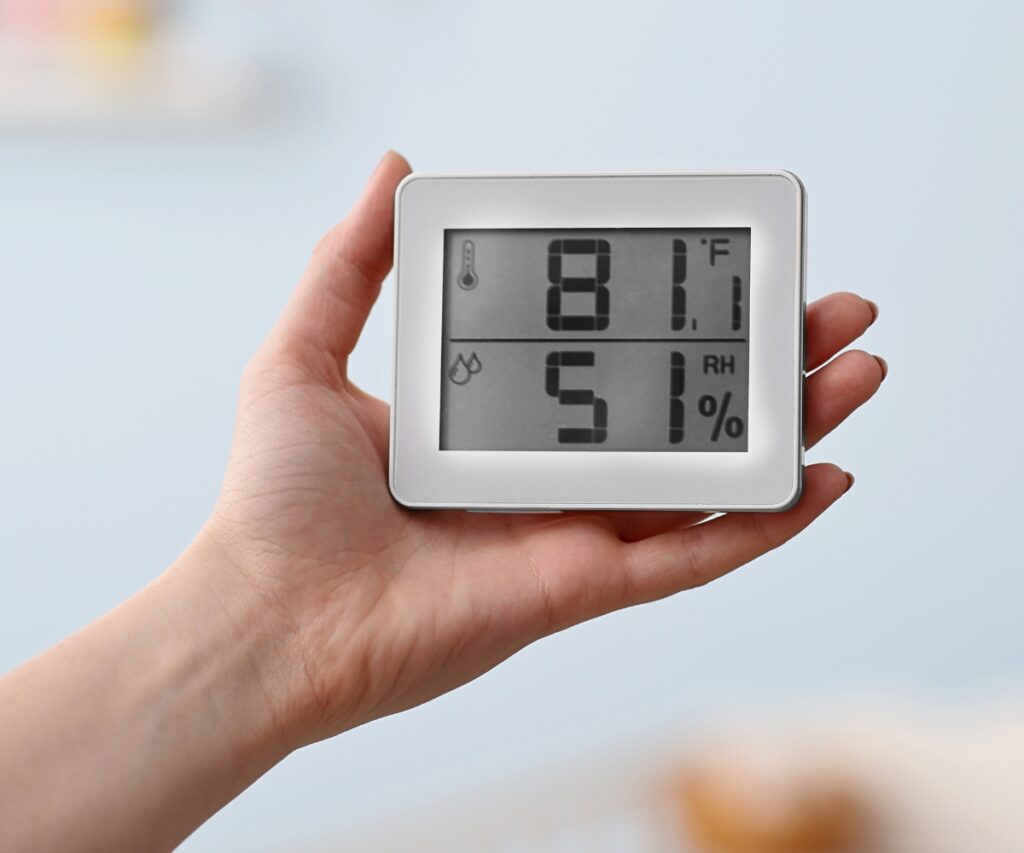
Humid Day

2. Seasonality in North Alabama

In Huntsville, fungus gnat activity follows a distinct seasonal pattern:

  • Spring and Summer: As temperatures rise and humidity peaks, outdoor populations surge. They are often found in heavily mulched garden beds or low-lying areas of the yard that stay wet after summer thunderstorms.

  • The “Fall Migration”: A major surge often occurs in late September and October. As the weather cools, residents move container plants indoors for the winter. These plants frequently harbor eggs or larvae in the potting mix, leading to sudden indoor infestations that last through the winter months.

Huntsville AL hero image

3. Agricultural and Horticultural Concerns

Huntsville is home to a growing community of indoor gardeners and commercial greenhouses. For these populations, fungus gnats are more than a nuisance. In large numbers, the larvae can stunt the growth of ornamental plants or seedlings by damaging the root systems, making them a significant concern for the local horticultural industry.

Commercial Green House is hotbed for Fungus Gnats

3 easy steps to backyard bliss

Win the backyard battle this year.

    1. 1

      Request Your Free Quote

      We’re out to kill mosquitoes, not your budget. We’ll be upfront about all costs, and you’ll know exactly what payments will look like before you start. Speak to one of our professionals today about getting a quote for your property.
    2. 2

      Schedule Your Service

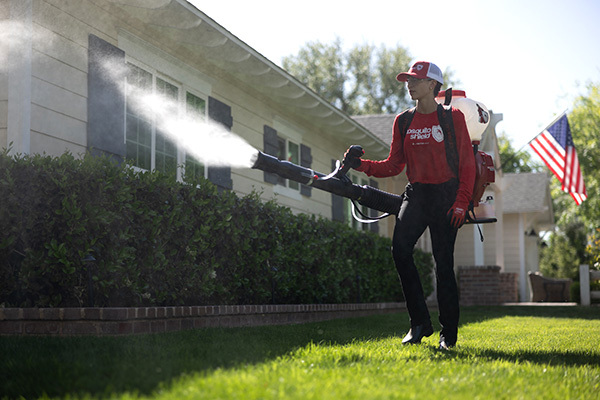
      Once you’ve received a quote, you can move forward and begin seeing a difference with our services. Any mosquitoes in the area will be killed on contact and a barrier created to deter new mosquitoes from coming in. It takes less than 48 hours to notice a difference.
    3. 3

      Get Back Outside

      You no longer have to wonder what life would be like without mosquitoes. Go back to enjoying any and all outdoor activities without unwanted guests. Taking care of mosquitoes on your property has never been easier.

    Why Fungus Gnats are a Major Issue in the Area

    The prevalence of fungus gnats in Huntsville is often a symptom of larger environmental factors.

    • Indicator of Moisture Issues: Their presence indoors often alerts homeowners to underlying problems, such as slow-leaking pipes, overwatered houseplants, or high humidity in crawlspaces—all common issues in older Huntsville homes and new builds alike.

    • Nuisance Factor: Because they are attracted to light, adults often swarm around windowsills, computer monitors, and lamps. In a high-tech hub like “Rocket City,” where residents spend significant time at workstations, this “hovering” behavior can be particularly disruptive.

    • Rapid Life Cycle: In the warm Alabama climate, a fungus gnat can complete its entire life cycle—from egg to adult—in as little as 17 to 25 days. This allows a minor population to become a full-blown infestation within a single month if left unmanaged.
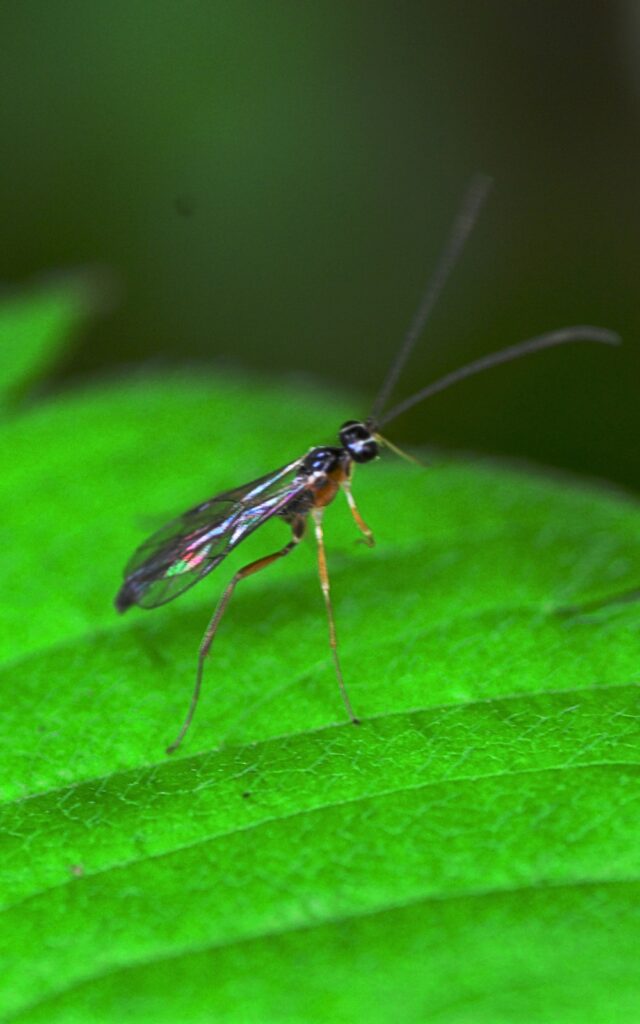
    Fungus Gnat on leaf image Mosquito Shield

    Frequently Asked Questions

    01. What other insects will this affect?
    We use a control product so other insects present when and where we spray may be impacted.

    However, our formula was specifically engineered for mosquitoes so it won’t repel any other insects as it does mosquitoes.
    02. Will your product work after storms?
    Yes, we have specifically engineered our formula to outlast storms. With a special polymer layer that provides weather resistance, our formula will remain effective.
    03. Is there any environment you cannot treat?
    Yes, there are some areas we won’t spray to avoid the surrounding environments. Pools, natural water sources, vegetable gardens, and artificial water sources complete the list.

    Because water could easily spread the insecticides, we never directly apply our product to it. However, the rest of the property can still be sprayed and it will drastically reduce the population of mosquitoes.
    04. Does this product work on all mosquitoes and ticks ?
    Yes, we target aspects of mosquitoes and ticks that don’t change from species to species.

    The killing and repelling aspects of our product will work on any species of mosquitoes and ticks .
    05. What about my children and pets?
    Pets and children should be inside during each application. However, they can re-enter the property once the product has dried, roughly 10-15 minutes. At that point, there are no restrictions until the next application.
    06. When can I start to see the effects?
    Every yard is different but you should notice a dramatic reduction within 24-48 hours of the initial spray.

    With each subsequent treatment, the results continue to improve, allowing you to enjoy time outside without being chased in by swarms of mosquitoes.
    07. Why do we see more mosquitoes after it has rained?
    Mosquitoes are more abundant after it rains because standing water is where they breed.

    Adult, female mosquitoes will lay their eggs in water. Once fully submerged, the countdown begins and the eggs can hatch in as little as a few days.

    Shield Your Yard Now