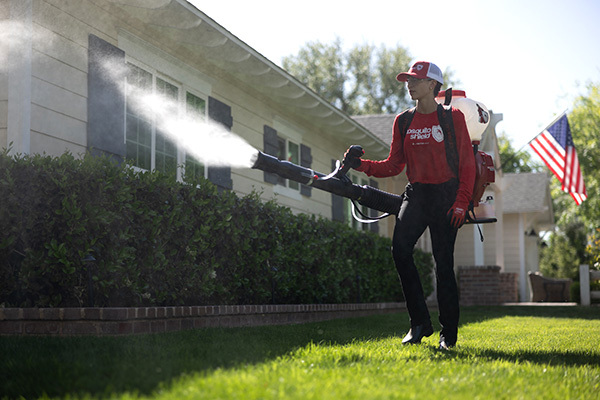
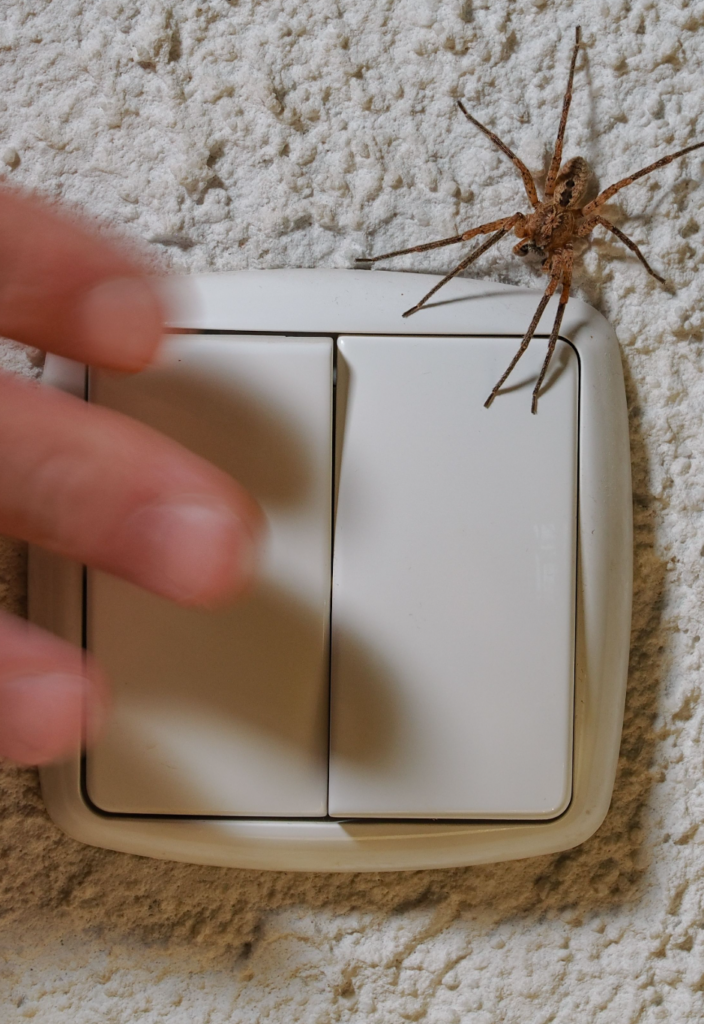
Huntsville is home to a diverse arachnid population, ranging from beneficial garden dwellers to species that seek the stable environments of human structures.
Regional Species: The most frequently encountered species in North Alabama include Wolf Spiders, Common House Spiders, and Orb Weavers. While less common, the Brown Recluse and Black Widow are indigenous to the region and prefer undisturbed, dark areas like crawl spaces, attics, and woodpiles.
Climate Impact: Spiders in Alabama are most active from late spring through autumn. As temperatures drop in late October and November, many species seek “overwintering” sites. This often leads them toward the warmth of home foundations, where they may enter through small gaps in siding or around utility penetrations.
Ecosystem Role: In the local environment, spiders serve as a natural check on other insect populations, often congregating near outdoor lighting where they can easily prey on moths and beetles.
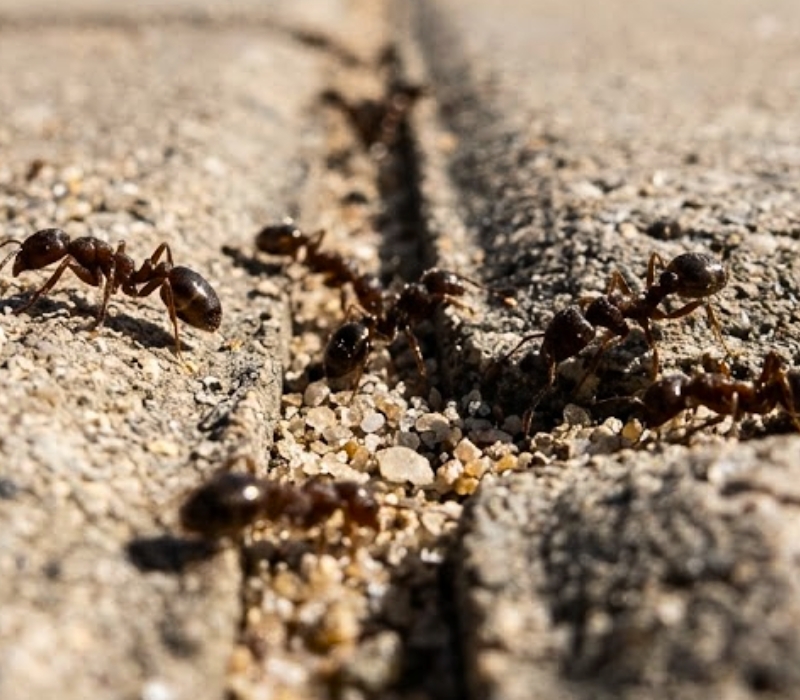
Ants are perhaps the most persistent seasonal challenge in the Huntsville area due to the region’s soil composition and moisture levels.
Common Local Species: * Fire Ants: Highly prevalent in sunny, open lawns across Madison County, these ants are known for their aggressive nature and large, visible mounds.
Argentine Ants: These invasive ants form massive “super-colonies” and are particularly attracted to the moisture found in Huntsville’s red clay soils.
Odorous House Ants: Often moving indoors during periods of heavy rain or extreme drought, these ants seek sugary food sources in kitchens and pantries.
Seasonal Behavior: In the spring, heavy rainfall common to the Tennessee Valley often floods subterranean nests, forcing ant colonies to seek higher, drier ground—frequently inside the wall voids of local homes. During the peak heat of July and August, they may move indoors again in search of consistent water sources.
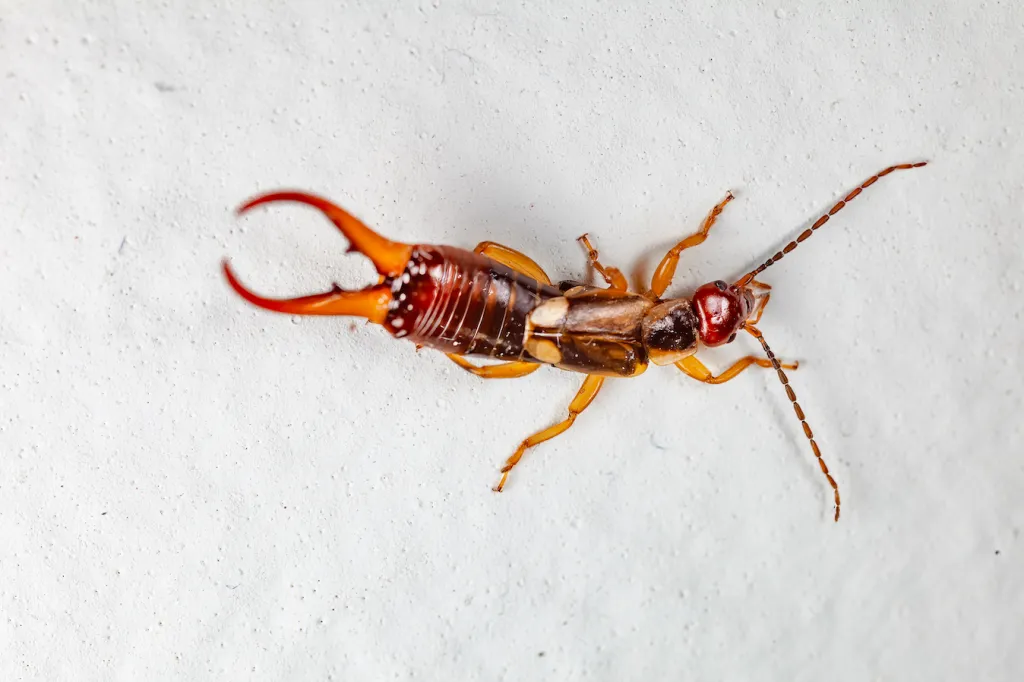
Earwigs thrive in the high-humidity environment of the Deep South. While they are harmless to humans, their presence in large numbers can be a nuisance for Alabama homeowners.
Habitat in Huntsville: Earwigs are “moisture-seekers.” They are commonly found in the thick layers of mulch used in local landscaping, under decorative stones, and in damp crawl spaces.
Environmental Triggers: The European Earwig is the most common variety in the area. They are nocturnal and are highly attracted to the glowing “cool white” LED outdoor lighting popular in newer Huntsville developments.
Impact on Local Gardens: While they primarily scavenge on decaying organic matter, they can occasionally damage tender seedlings or flowers during the damp, early summer months in North Alabama.