Greater Austin, TX

Other Bugs we Battle in Austin: Ants, No-See-Ums and Chiggers

Regional Climate Dynamics and Seasonality

Austin’s unique climate characterized by long, hot summers, mild winters, and periodic heavy rainfall creates ideal breeding conditions for several other persistent pests. Understanding the seasonal behavior and habitats of ants, no-see-ums, and chiggers is essential for managing outdoor spaces across Travis and Williamson counties.
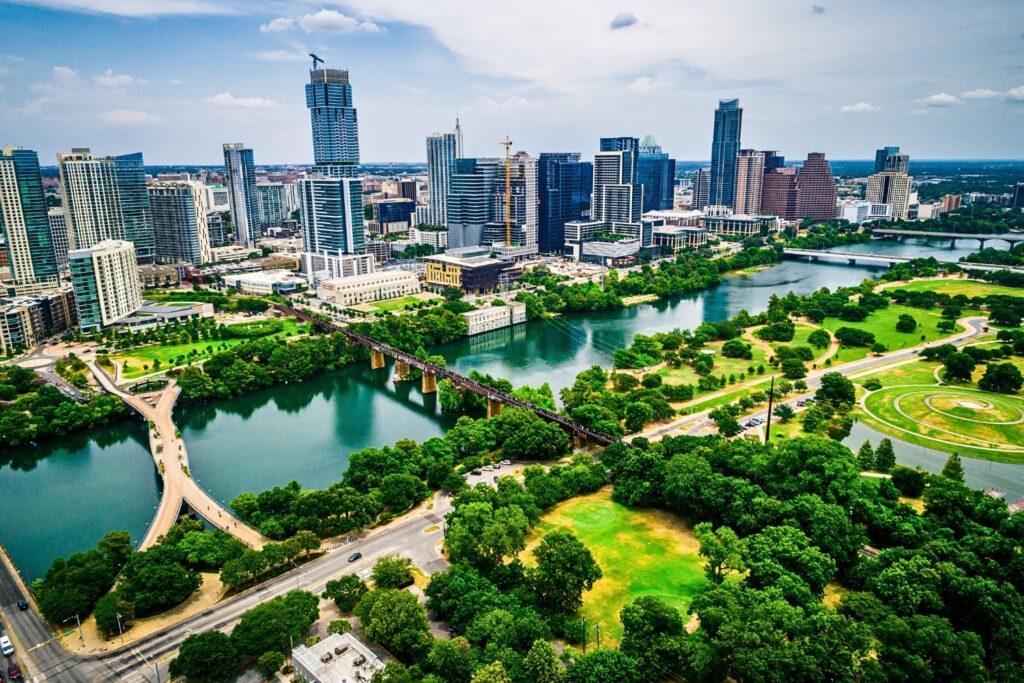
Downtown Austin from above

Fire Ants:
A Year-Round Challenge in Central Texas

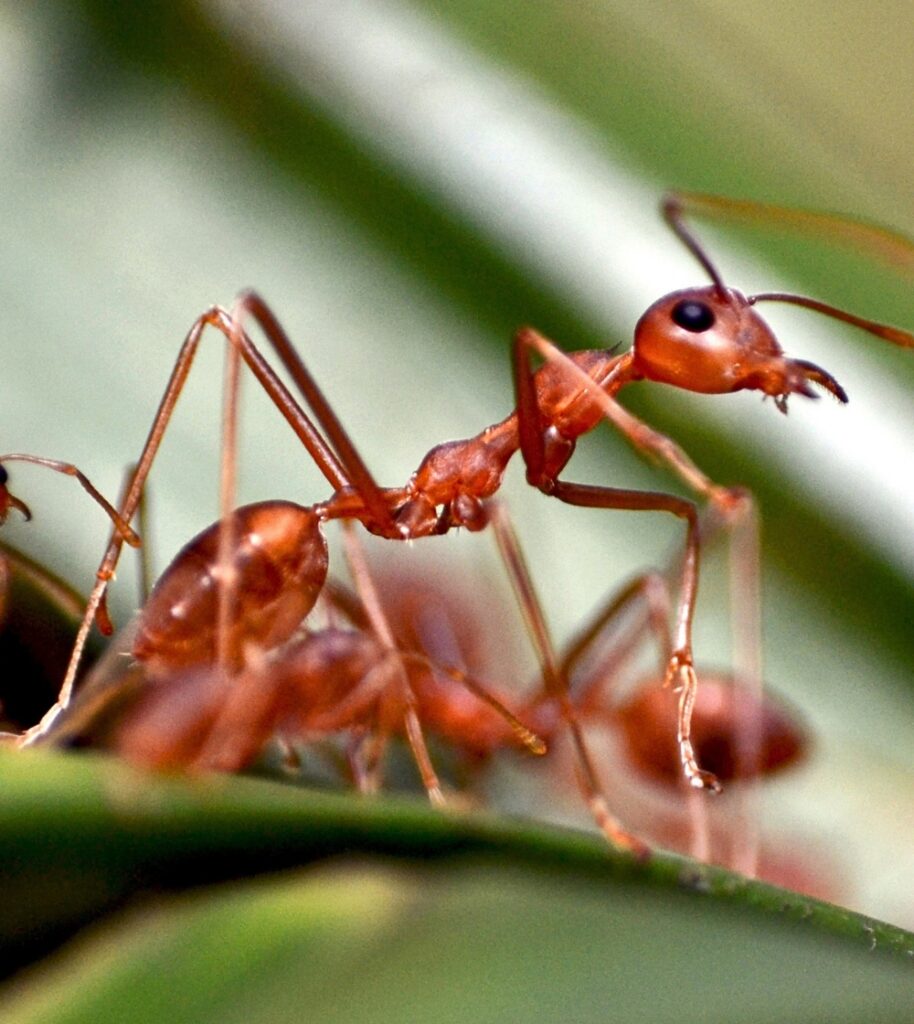
Ants, particularly the Red Imported Fire Ant (Solenopsis invicta), are a dominant species in the Texas Hill Country. Unlike many insects that become dormant in cooler weather, fire ants remain active nearly year-round in Austin due to the region’s generally mild winters.
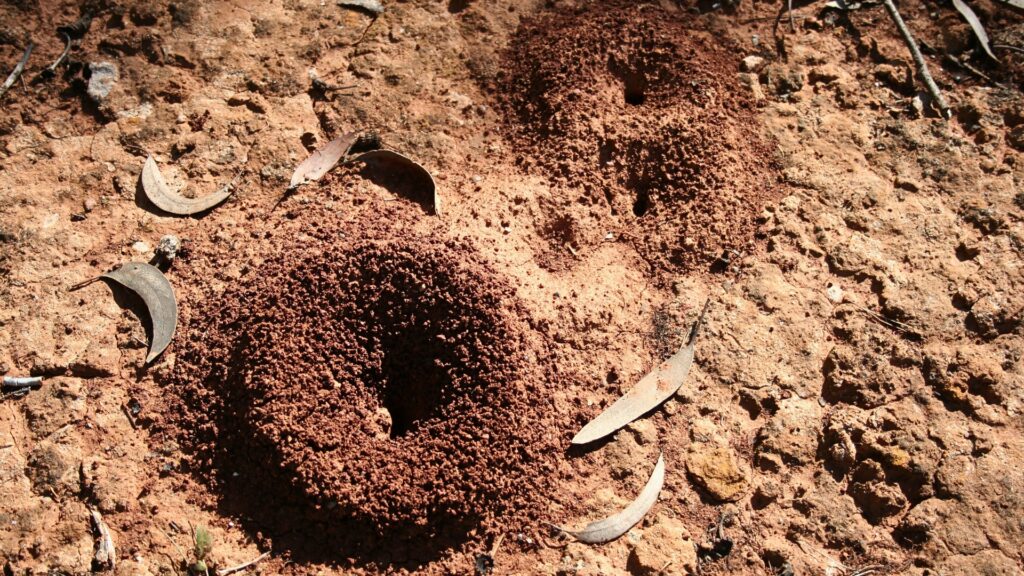
  • Habitat and Environment: Fire ants thrive in open, sun-exposed areas, making residential lawns, parks, and golf courses prime locations for colonization. Following heavy Austin rainstorms, these colonies often build highly visible mounds above ground to escape waterlogged soil.
  • Seasonal Activity: Foraging activity peaks during the spring and fall when soil temperatures range between 70°F and 90°F. During the extreme heat of the Austin summer, colonies forage deeper underground or shift their activity to the cooler nighttime hours.
  • Impact on the Population: A single fire ant mound can contain up to 250,000 workers. They are highly aggressive when disturbed, delivering painful stings that develop into itchy pustules. For families and property owners, unmanaged fire ant populations can severely restrict the use of yards and outdoor recreational spaces.
Fire Ant close up photo Mosquito Shield Austin TX

No-See-Ums (Biting Midges):
The Humidity-Driven Nuisance

No-see-ums, also known as biting midges or ceratopogonids, are microscopic insects (rarely exceeding 1/8 inch in length) that are notoriously difficult to detect until they bite.
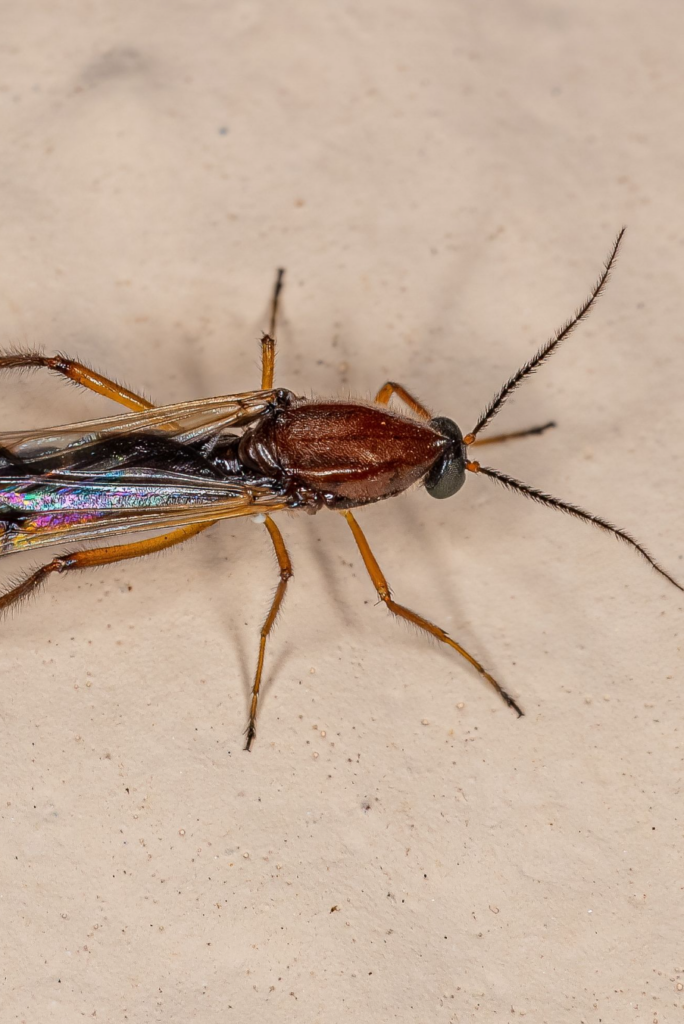
  • Habitat and Environment: These insects require constantly moist, organic-rich environments to complete their life cycle. In the Greater Austin area, properties near Lake Austin, Lake Travis, Lady Bird Lake, or those with dense, damp vegetation and poor drainage are particularly susceptible.
  • Seasonal Activity: No-see-ums are most active during the warmer, humid months from late spring through early fall. They are primarily crepuscular, meaning their feeding activity spikes at dawn and dusk, coinciding with the times residents typically utilize patios and outdoor living areas.
  • Impact on the Population: Despite their tiny size, female no-see-ums require a blood meal to develop their eggs. Their bites leave small, red welts that can be intensely itchy and take several days to heal. Because they are small enough to pass through standard window screens, they can easily disrupt both outdoor activities and indoor comfort if proper fine-mesh screening is not utilized.
close up of no-see-um bug

Chiggers:
The Hidden Inhabitants of the Hill Country

Chiggers are not insects; they are the six-legged larval stage of mites in the Trombiculidae family. They are practically invisible to the naked eye but are responsible for some of the most intense, long-lasting itching caused by any local pest.

  • Habitat and Environment: Chiggers are endemic to the brushy, wooded, and tall-grass areas characteristic of the Texas Hill Country. They thrive in shaded environments with high humidity at the soil level, often gathering on the tips of tall grasses and low-lying vegetation waiting to attach to a passing host.
  • Seasonal Activity: In Austin, chigger season typically begins in late spring, peaks in the early summer, and extends through the fall. They become inactive when soil temperatures drop below 60°F, meaning winter interactions are rare.
  • Impact on the Population: Chiggers do not burrow into the skin, nor do they feed on blood. Instead, they inject a digestive enzyme that breaks down skin cells, which they then consume. This process causes a severe localized allergic reaction. Because chiggers tend to migrate to areas where clothing is tight (such as waistbands, sock lines, and behind the knees), hikers, gardeners, and children playing in unmanicured areas are at the highest risk.
Chigger Photo

3 easy steps to backyard bliss

Win the backyard battle this year.

    Do you agree to receive text messages from Mosquito Shield? Message frequency may vary. Standard messaging and data rates apply. Text STOP to opt-out at any time. Text HELP for support or contact us. Privacy Policy/TOS.
    Yes, I agree to receive text messages from Mosquito Shield.
    No, I do not want to receive text messages from Mosquito Shield.

    See our Privacy Policy/TOS for details on how we handle your information.

    1. 1

      Request Your Free Quote

      We’re out to kill mosquitoes, not your budget. We’ll be upfront about all costs, and you’ll know exactly what payments will look like before you start. Speak to one of our professionals today about getting a quote for your property.
    2. 2

      Schedule Your Service

      Once you’ve received a quote, you can move forward and begin seeing a difference with our services. Any mosquitoes in the area will be killed on contact and a barrier created to deter new mosquitoes from coming in. It takes less than 48 hours to notice a difference.
    3. 3

      Get Back Outside

      You no longer have to wonder what life would be like without mosquitoes. Go back to enjoying any and all outdoor activities without unwanted guests. Taking care of mosquitoes on your property has never been easier.

    Environmental Intersections and Outdoor Management

    The presence of ants, no-see-ums, and chiggers in Austin is inextricably linked to the local climate and topography. The intersection of the Balcones Escarpment, the Colorado River system, and fluctuating seasonal moisture creates diverse microhabitats within a single neighborhood. Managing these populations requires an understanding of their specific environmental dependencies from the moisture requirements of biting midges to the soil temperature thresholds of fire ants. By addressing the habitat conditions that these pests require, property owners can significantly reduce their impact on outdoor activities.
    Other Bugs we Battle ant hill Mosquito Shield Austin TX

    Frequently Asked Questions

    01. What other insects will this affect?
    We use a control product so other insects present when and where we spray may be impacted.

    However, our formula was specifically engineered for mosquitoes so it won’t repel any other insects as it does mosquitoes.
    02. Will your product work after storms?
    Yes, we have specifically engineered our formula to outlast storms. With a special polymer layer that provides weather resistance, our formula will remain effective.
    03. Is there any environment you cannot treat?
    Yes, there are some areas we won’t spray to avoid the surrounding environments. Pools, natural water sources, vegetable gardens, and artificial water sources complete the list.

    Because water could easily spread the insecticides, we never directly apply our product to it. However, the rest of the property can still be sprayed and it will drastically reduce the population of mosquitoes.
    04. Does this product work on all mosquitoes and ticks ?
    Yes, we target aspects of mosquitoes and ticks that don’t change from species to species.

    The killing and repelling aspects of our product will work on any species of mosquitoes and ticks .
    05. What about my children and pets?
    Pets and children should be inside during each application. However, they can re-enter the property once the product has dried, roughly 10-15 minutes. At that point, there are no restrictions until the next application.
    06. When can I start to see the effects?
    Every yard is different but you should notice a dramatic reduction within 24-48 hours of the initial spray.

    With each subsequent treatment, the results continue to improve, allowing you to enjoy time outside without being chased in by swarms of mosquitoes.
    07. Why do we see more mosquitoes after it has rained?
    Mosquitoes are more abundant after it rains because standing water is where they breed.

    Adult, female mosquitoes will lay their eggs in water. Once fully submerged, the countdown begins and the eggs can hatch in as little as a few days.
    Shield Your Yard Now