
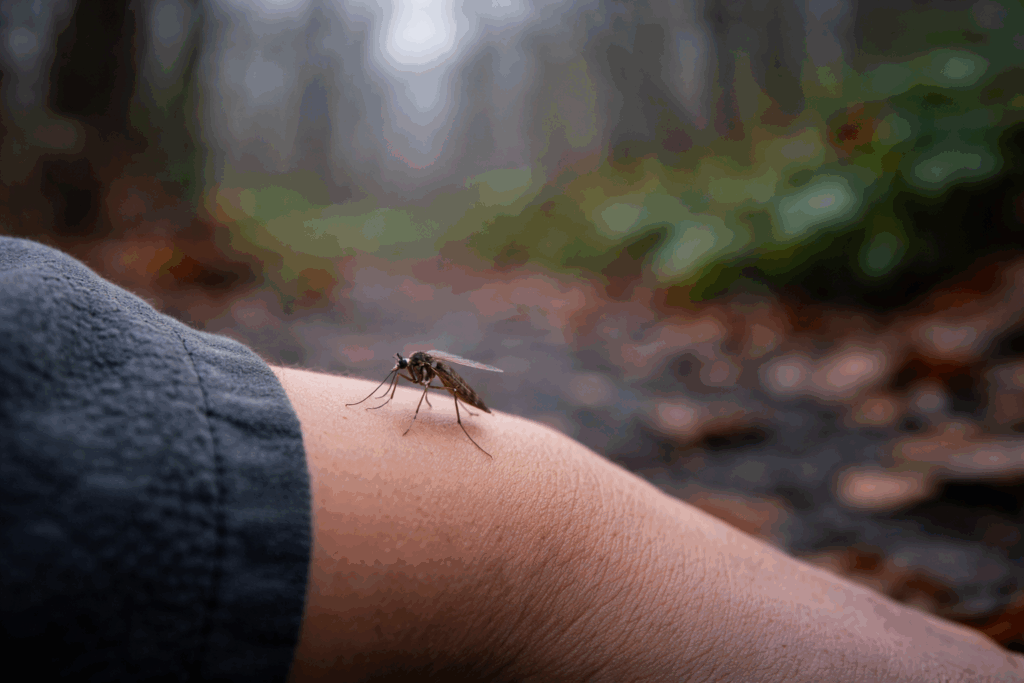
Most people assume mosquitoes disappear once winter hits — but that’s only half true. While cold weather slows mosquito activity, it doesn’t always wipe them out. In many cases, they’re simply waiting for the right conditions to come back.
Do Mosquitoes Actually Die In Winter?
Some mosquitoes do die when temperatures drop, especially adult mosquitoes exposed to prolonged freezing conditions. But others survive winter by going dormant. Certain species lay eggs that can withstand cold temperatures, while adult mosquitoes may hide in protected areas to wait it out.
This is why mosquitoes often seem to “come back overnight” once spring arrives — they never fully left.

Where Mosquitoes Hide During Cold Months
When winter sets in, mosquitoes look for places that stay insulated from extreme cold. Common hiding spots include:
- Leaf piles and yard debris
- Tree holes and dense vegetation
- Crawl spaces and sheds
- Basements, garages, and utility areas
Eggs laid near standing water can survive winter and hatch once temperatures rise, restarting the cycle early in spring.
Why Mosquitoes Come Back Strong In Spring
Spring warmth activates dormant eggs and surviving adults. Add rainfall, standing water, and fresh vegetation, and mosquito populations rebound quickly.
This early surge is why prevention efforts matter before mosquitoes are visible. Waiting until bites appear usually means populations are already established.
How Winter Preparation Helps Reduce Spring Mosquitoes
Late winter and early spring prep can significantly limit mosquito activity later. Helpful steps include:
- Removing leaf piles and yard debris
- Eliminating standing water sources
- Cleaning gutters and drainage areas
- Scheduling perimeter treatments before peak season
Targeting mosquitoes before they become active helps reduce how many ever make it to biting stage.
Why Early Treatments Make A Difference
Professional perimeter treatments applied before spring create a protective barrier that interrupts mosquito activity early. This approach focuses on prevention, not reaction, helping reduce pressure throughout the season.
Explore more:


