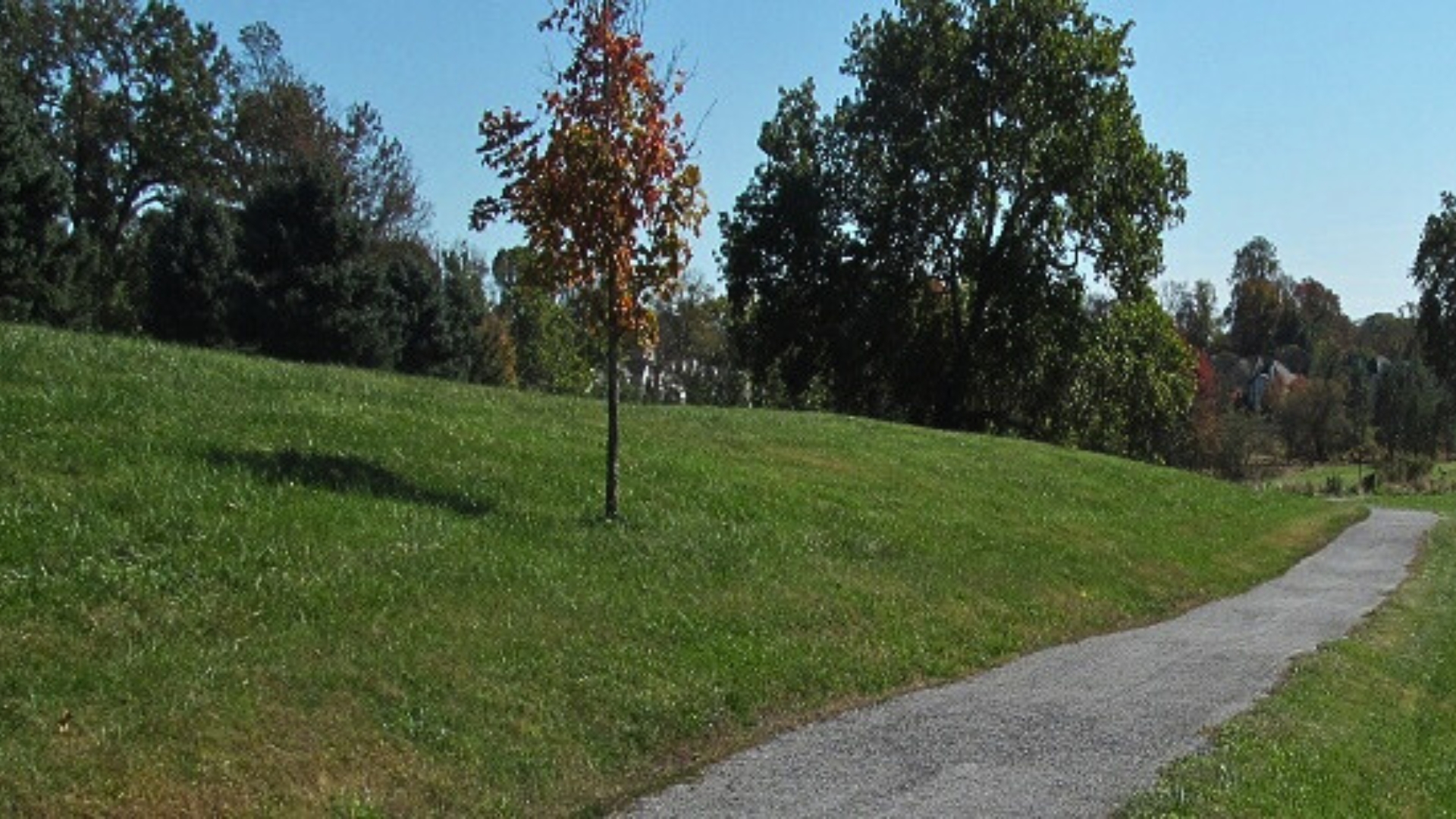
Central Connecticut provides ideal conditions for tick activity. Wooded landscapes, river corridors, shaded neighborhoods, and expanding suburban development combine with warm summers and seasonal moisture to support tick populations for much of the year.
Ticks are frequently encountered by residents, pet owners, outdoor enthusiasts, and yard maintenance crews—especially in backyards, parks, hiking trails, and properties that border wooded areas, tall grass, or dense brush.
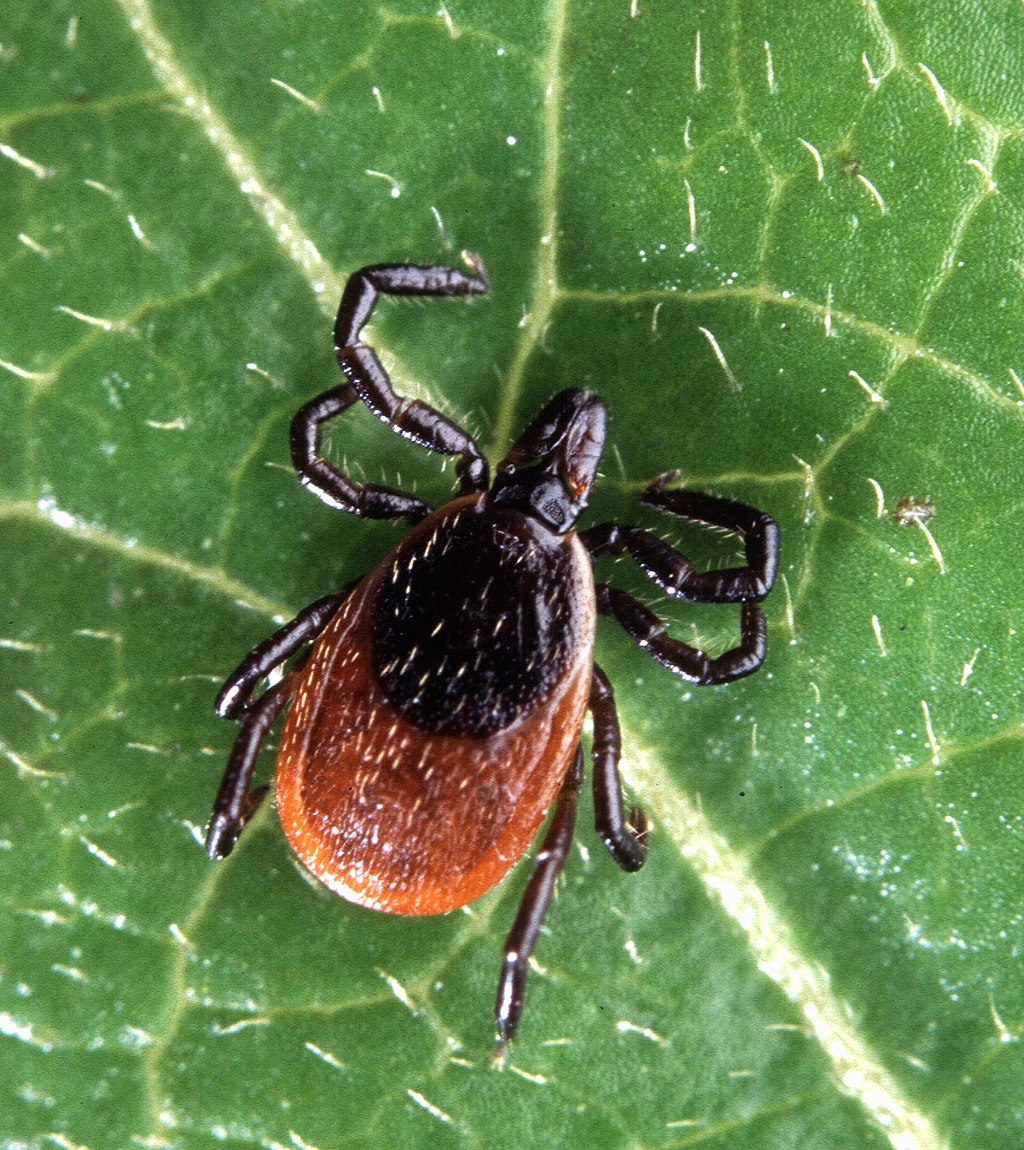
One of the most medically significant tick species found in the central Connecticut area.
Key traits:
Prefers wooded areas, leaf litter, shaded yard edges, and dense ground cover
Nymphs are extremely small and most active in spring and early summer, making them easy to overlook
Adult ticks often show increased activity again in fall
Known to transmit Lyme disease, anaplasmosis, and babesiosis
Frequently associated with areas that have deer populations and small mammal activity
Common throughout central Connecticut, particularly in open grassy areas and along transitional edges between lawns and wooded spaces.
Key traits:
Most active from late spring through summer
Frequently found in grassy fields, park perimeters, trails, roadside vegetation, and unmanaged lots
Known vector for Rocky Mountain spotted fever in Connecticut
Larger size makes it easier to detect on people and pets compared to smaller tick species
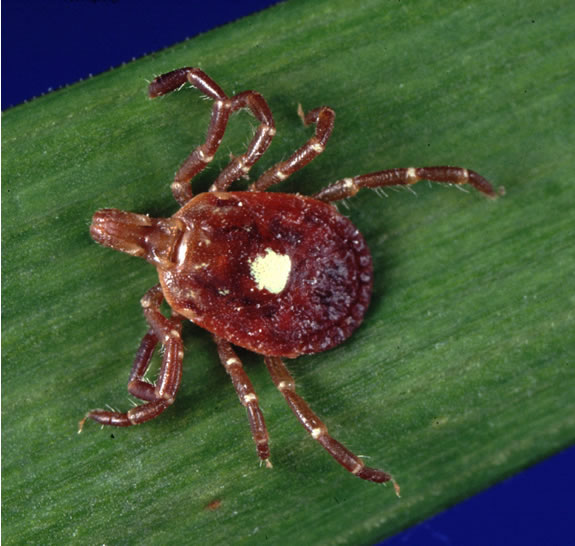
Lone Star Tick (Amblyomma americanum)
A very common and well-established tick species throughout central Connecticut.
Key traits:
Adult females display a distinctive white “lone star” marking on their backs
Known for aggressive host-seeking behavior compared to many other tick species
Thrives in warm, humid climates and is widespread across the center of the state
Known to transmit ehrlichiosis
Associated with alpha-gal syndrome, a red meat sensitivity linked to tick bites
Residents are more likely to encounter ticks in:
Early Spring: Nymph-stage blacklegged ticks become increasingly active as temperatures rise
Late Spring–Summer: American dog ticks and lone star ticks are common in open grassy areas and landscaped yards
Fall: Adult blacklegged ticks remain active as long as temperatures stay mild
Winter: Activity slows during colder stretches, though ticks may remain active on milder winter days beneath leaf litter and brush