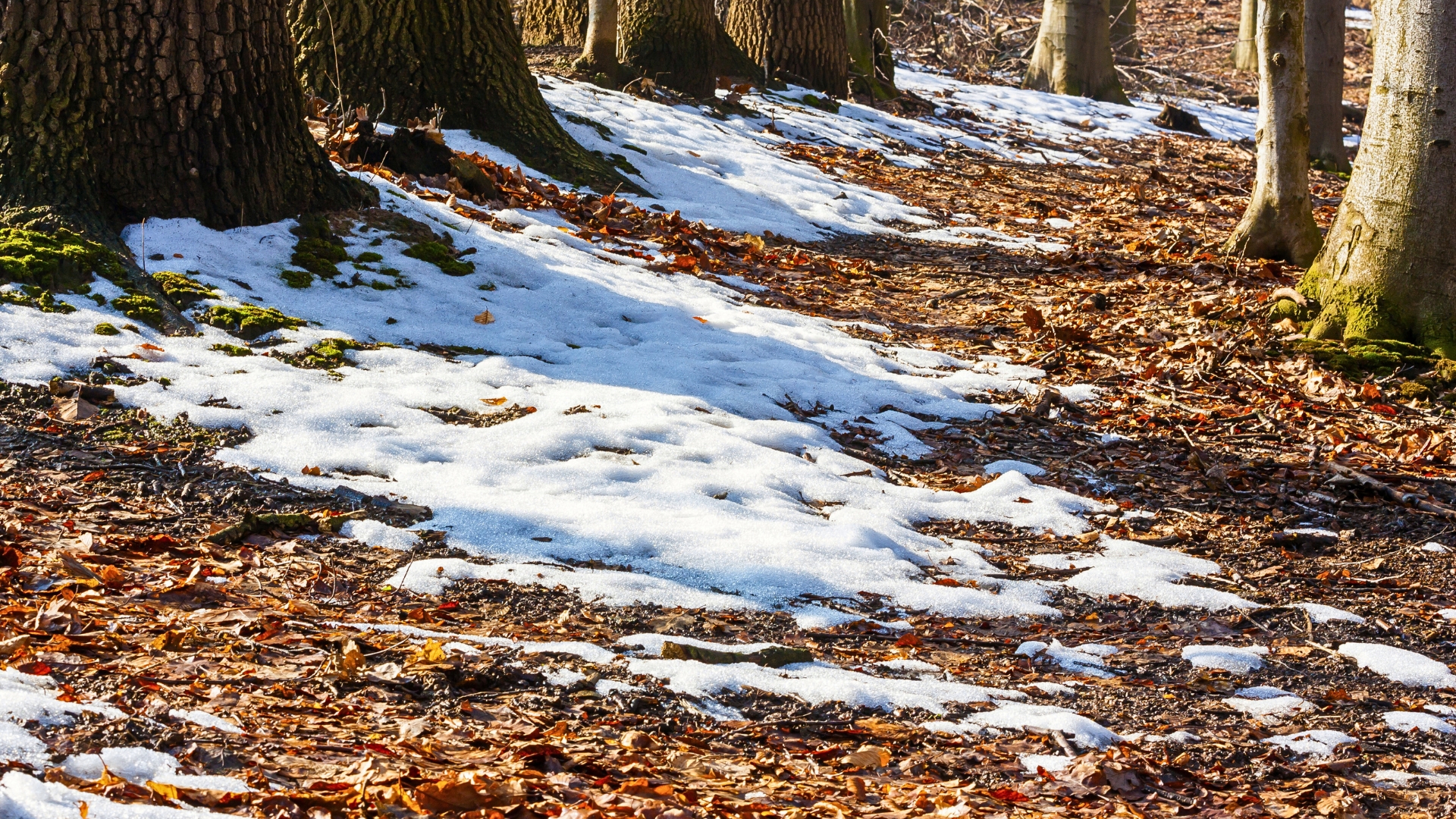
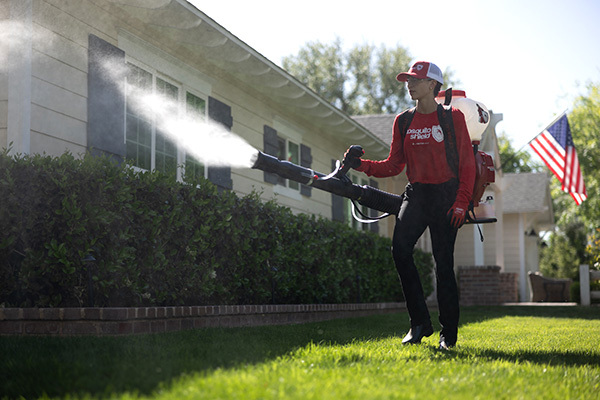
Buffalo’s long winters and wet springs create conditions that can set the stage for mosquito activity as temperatures rise. Snowmelt, spring rain, and fluctuating temperatures often leave behind standing water in yards, storm drains, and low-lying areas. As the region transitions into warmer weather, these moisture sources can support early mosquito development.

Several seasonal factors make early preparation especially relevant in Western New York:
Snowmelt saturates soil and fills low areas with water
Frequent spring rain replenishes standing water sources
Cool, damp conditions allow water to persist longer
Urban drainage systems can hold stagnant water
Tree cover and shade slow evaporation in residential areas
Addressing these conditions early helps limit mosquito development as temperatures warm.
The most medically significant tick species in Western New York.
Key traits:
Prefers wooded areas, leaf litter, and shaded yard edges
Nymphs are extremely small and active in spring and early summer
Adult ticks peak again in fall
Known to transmit Lyme disease, anaplasmosis, and babesiosis
Common in areas with deer and rodent activity
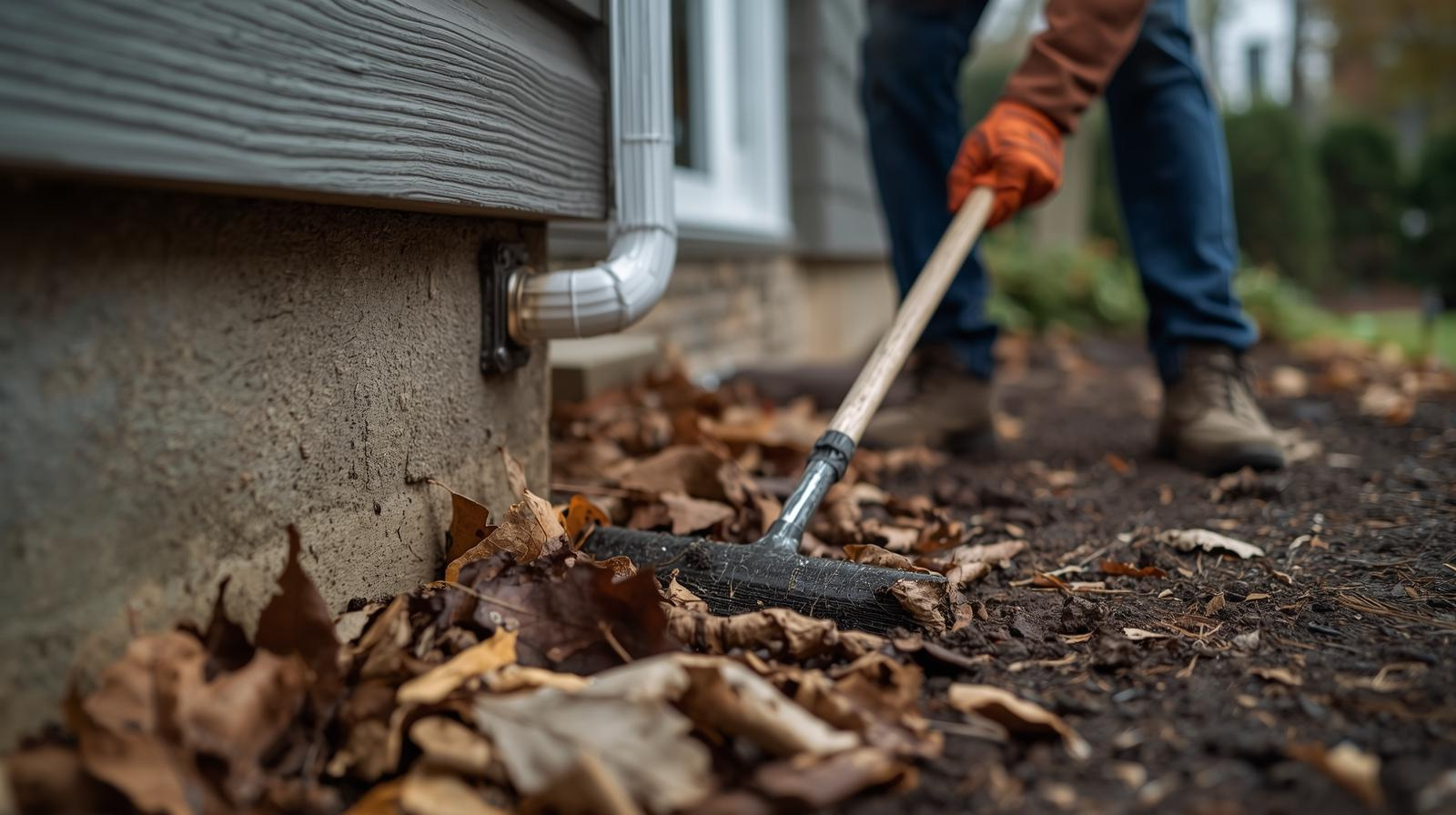
Spring cleanup steps:
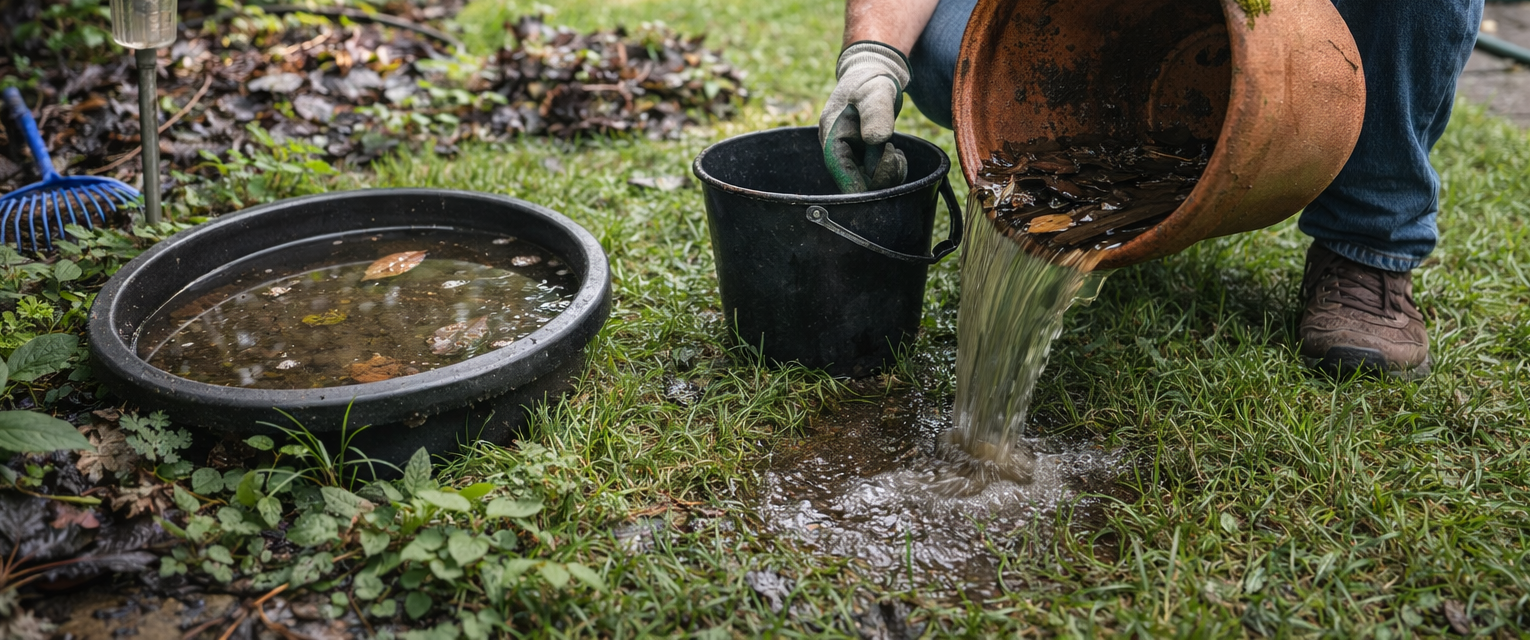
Remove leaf litter and yard debris
Clear branches and organic buildup
Refresh mulch to improve drainage
Store unused containers properly
These steps help reduce damp environments where mosquitoes may develop.
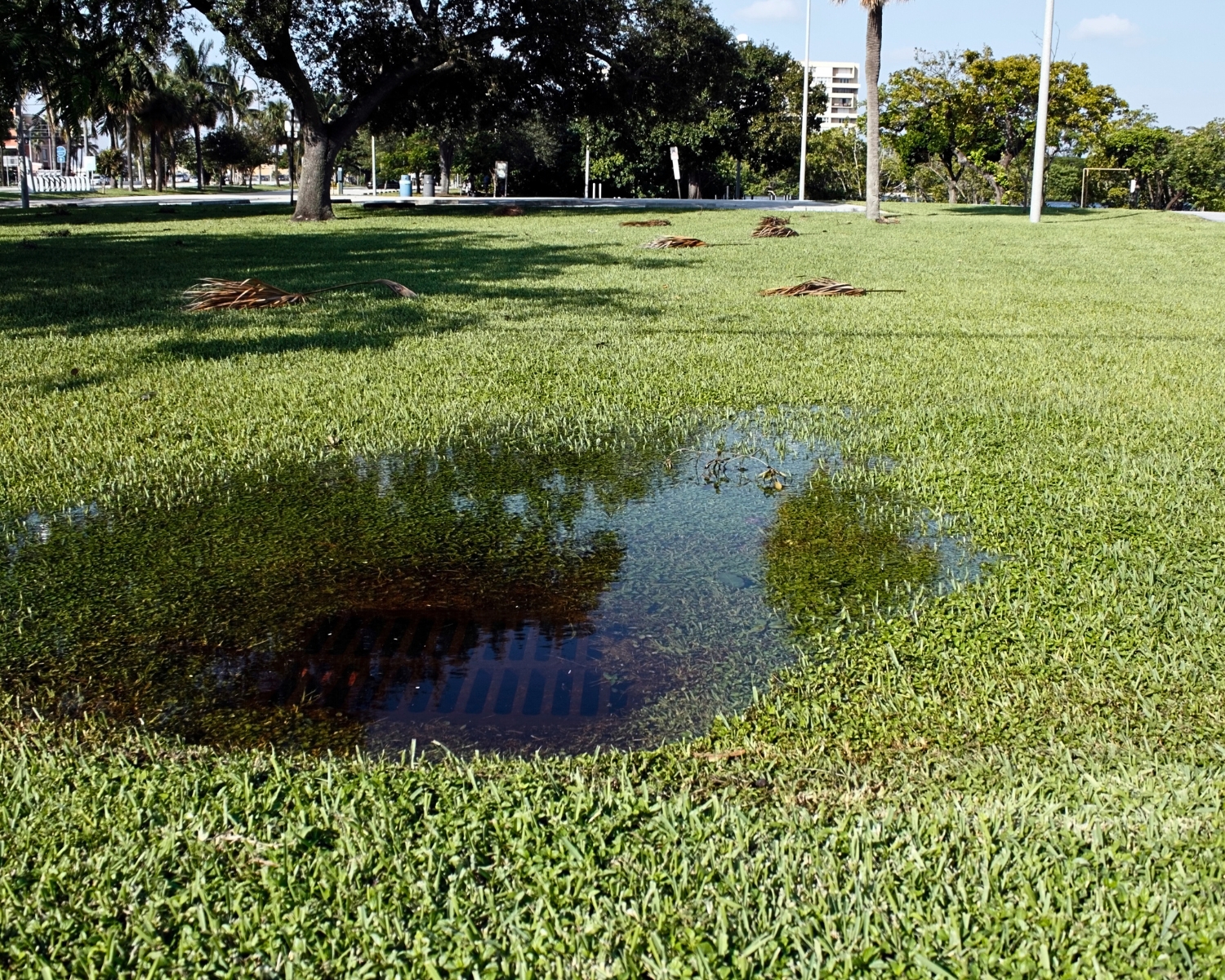
Areas to inspect:
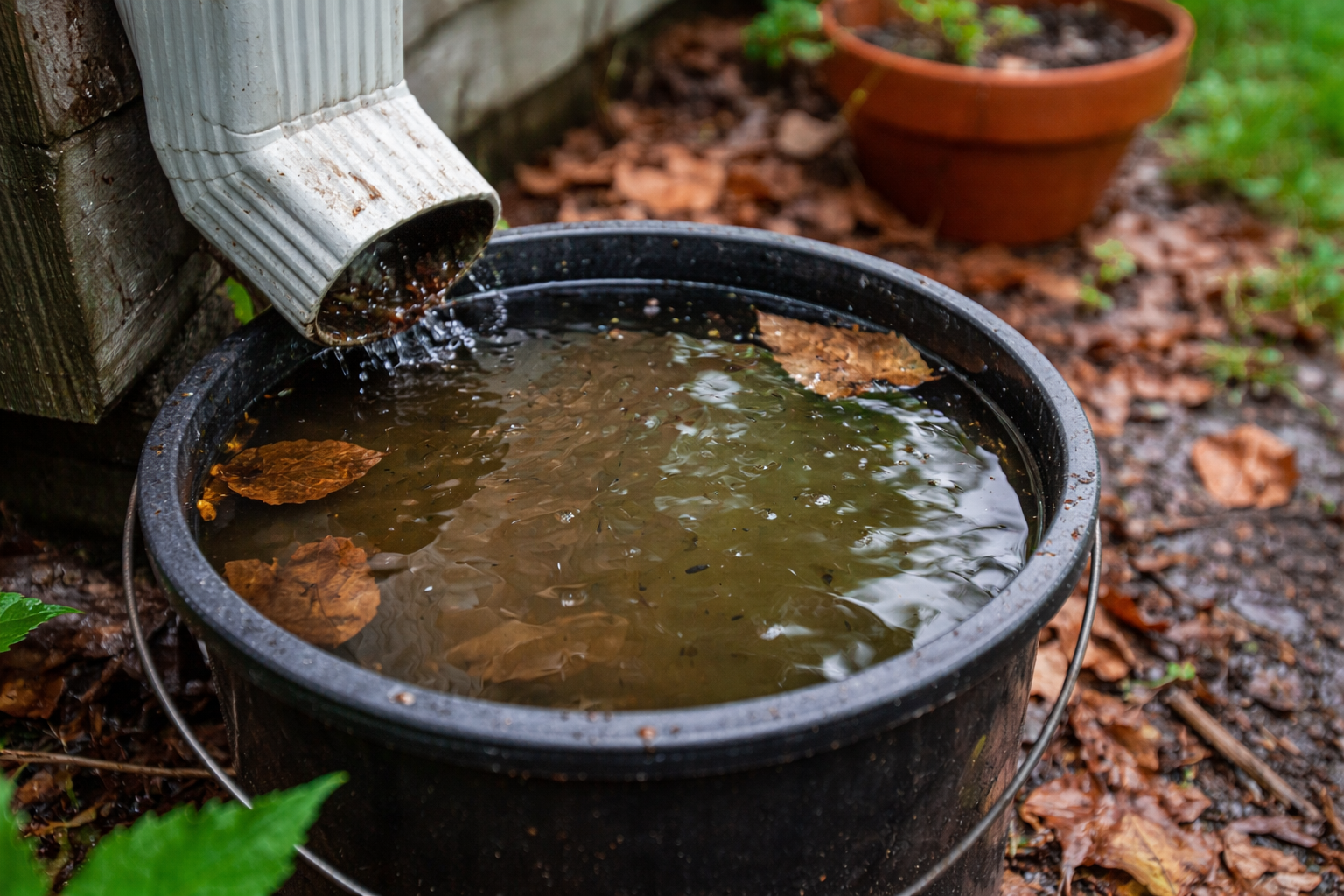
Downspouts and splash blocks
Grading around foundations
Driveway and patio edges
Areas where snow piles melted
Improving drainage helps water move away from structures and outdoor living spaces.
Early Spring: Snowmelt and rain create early water sources
Mid-Spring: Temperatures begin supporting mosquito development
Late Spring: Populations begin to increase
Summer: Peak mosquito activity
Early action in spring can help reduce the conditions that support summer mosquito surges.