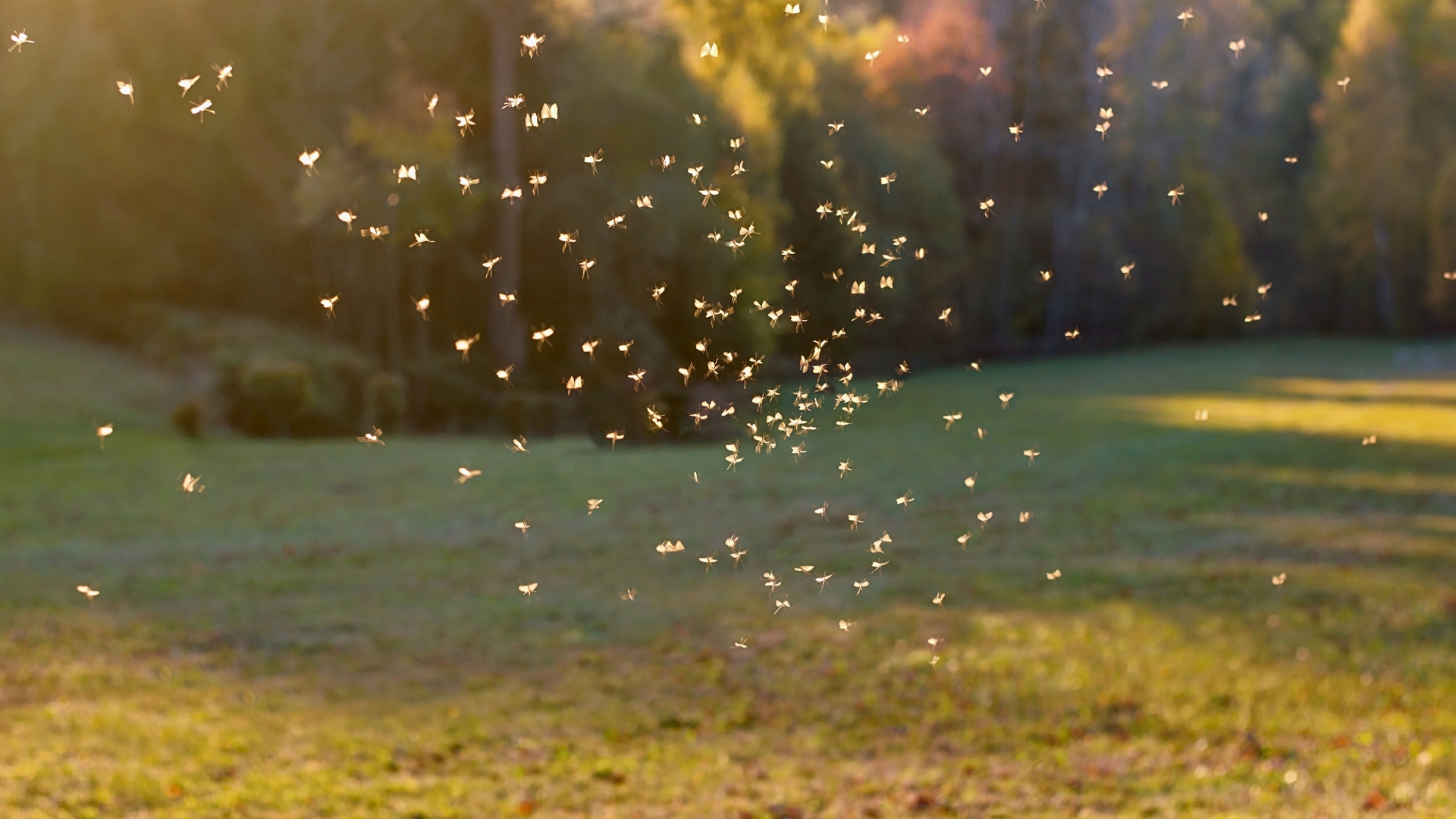
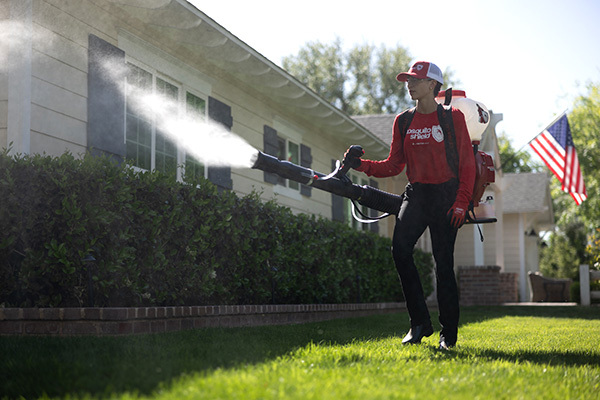
Buffalo and the surrounding Western New York region experience a distinct mosquito season shaped by cold winters, heavy snowfall, spring snowmelt, and warm, humid summers. While mosquito activity is dormant during winter, populations can rise quickly once temperatures increase and moisture becomes widespread in late spring and early summer.
Mosquitoes in the Buffalo area are commonly found near standing water, wetlands, wooded areas, and residential neighborhoods with poor drainage, especially after periods of rain.

The most widespread mosquito species in Buffalo and across Western New York.
Key traits:
Active primarily at dusk and overnight
Common near storm drains, catch basins, and standing water
Often found around homes and urban environments
Known to transmit West Nile virus
Overwinters locally in sheltered structures, emerging in spring
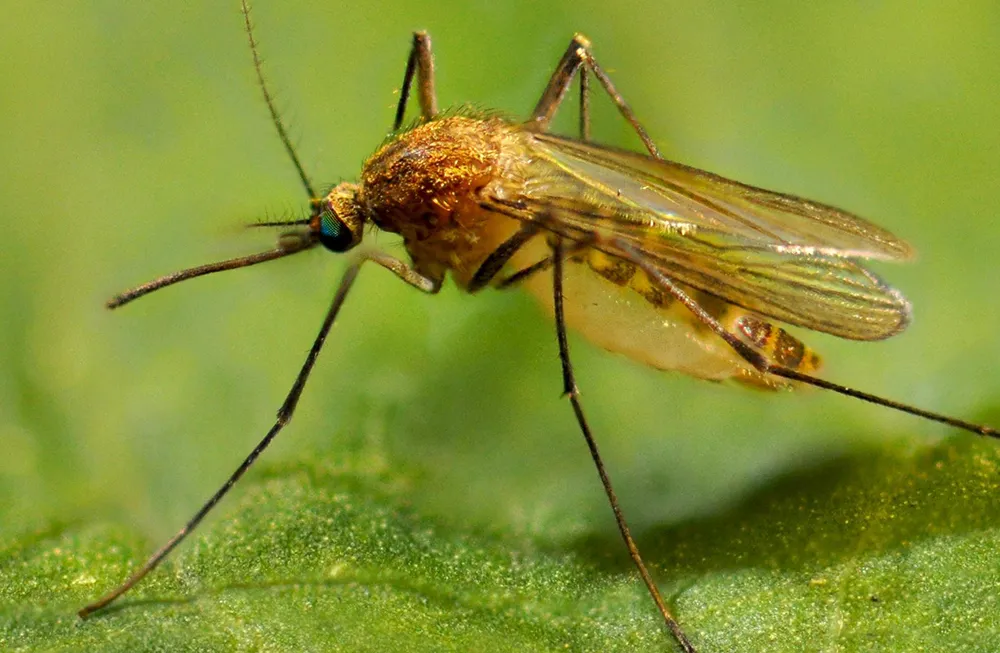
A common species in wooded and suburban areas around Buffalo.
Key traits:
Breeds in tree holes and water-holding containers
Active during daytime hours
Common in shaded yards and near wooded edges
Known to transmit La Crosse encephalitis
Frequently encountered in residential neighborhoods with mature trees
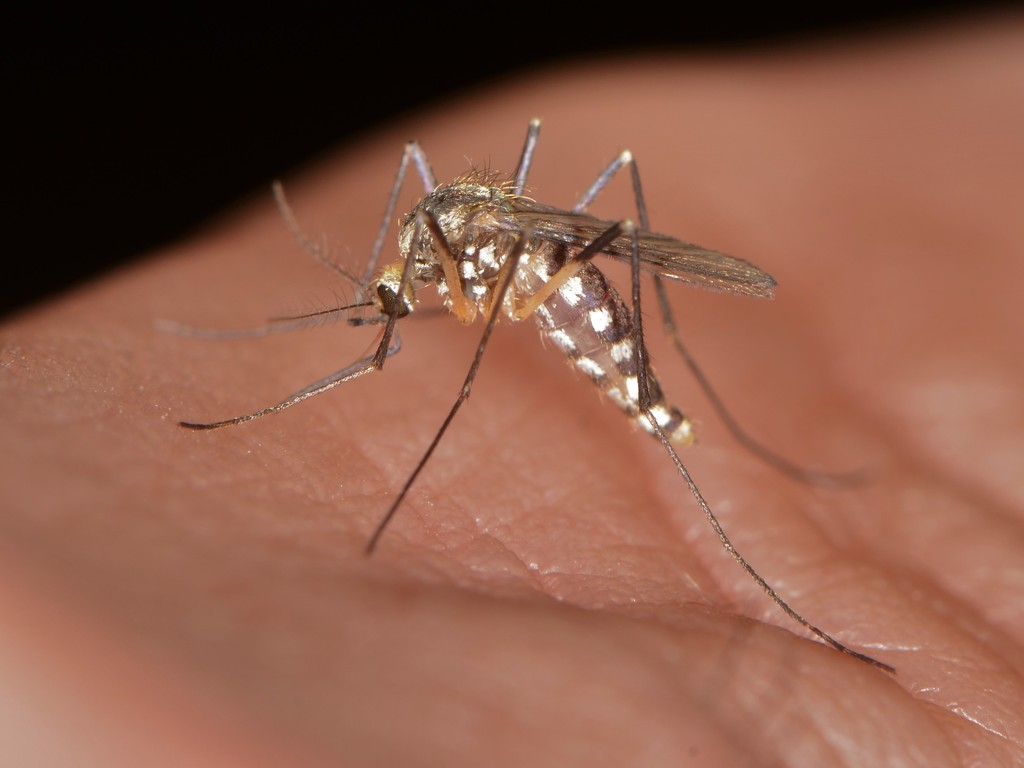
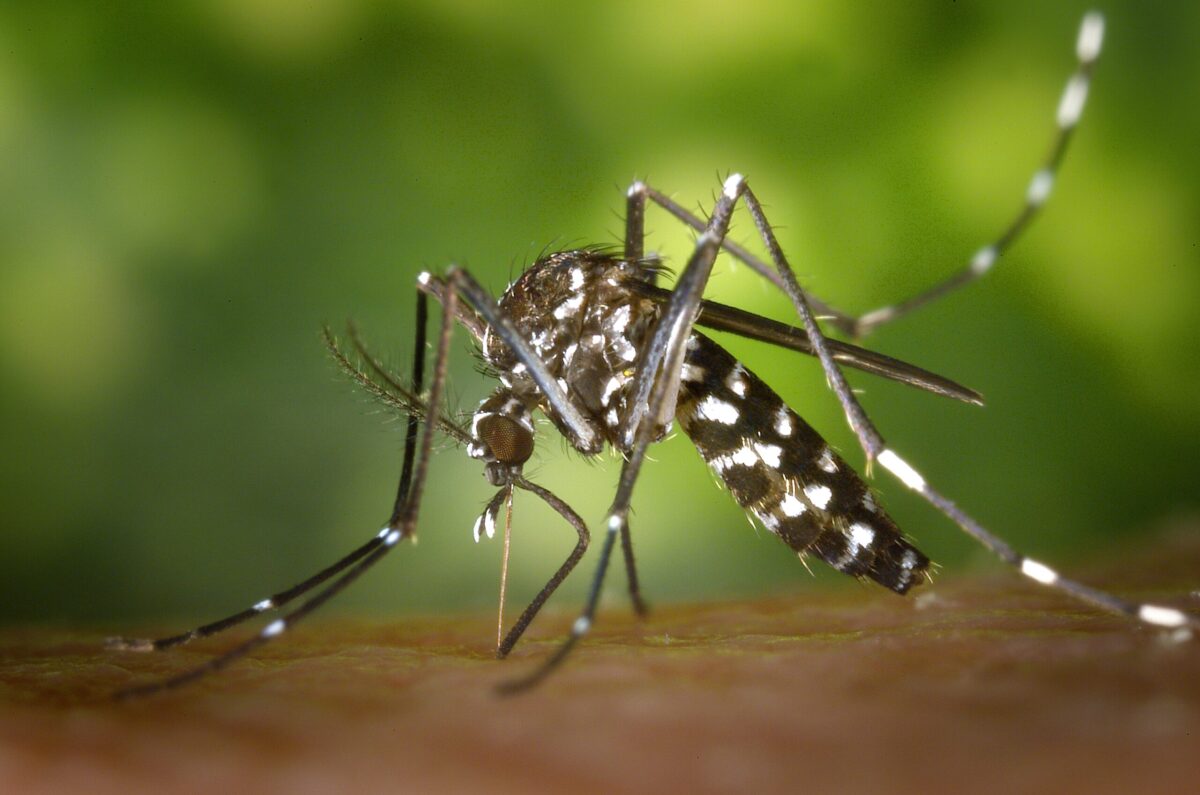
An invasive species expanding its range across parts of New York State.
Key traits:
Small, black-and-white striped appearance
Aggressive daytime biter
Breeds in containers such as buckets, planters, and gutters
Tolerates cooler climates compared to other invasive species
Presence varies year to year depending on seasonal temperatures
Several environmental factors support mosquito populations in Western New York:
Spring snowmelt that creates widespread standing water
Frequent rainfall during late spring and summer
Wetlands, creeks, and drainage corridors throughout the region
Humid summer conditions that extend adult mosquito survival
Dense residential neighborhoods with container breeding opportunities
These conditions allow multiple mosquito species to emerge and persist throughout the season.