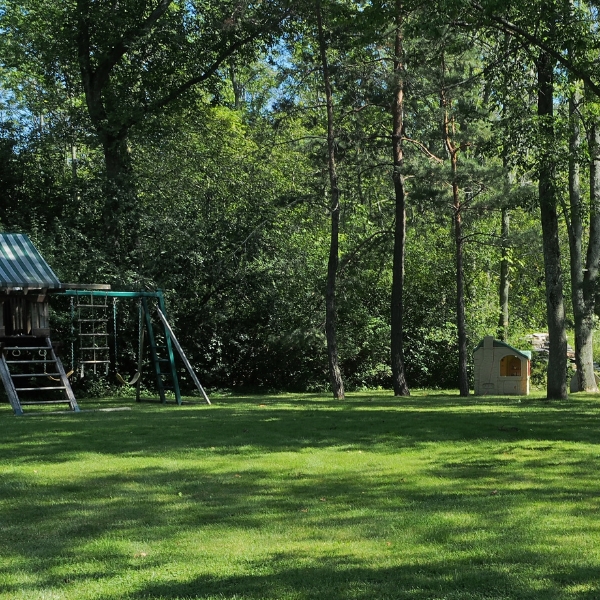
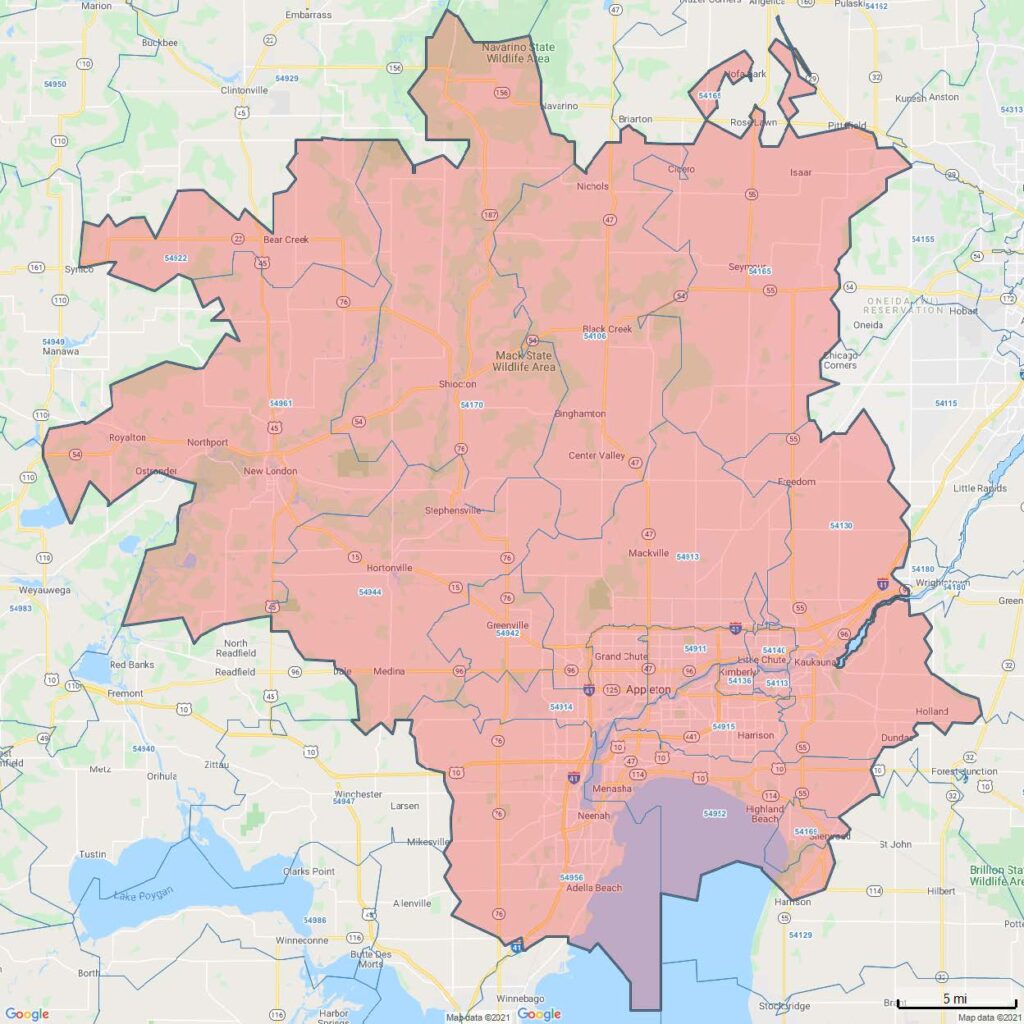
Appleton’s geographic location near the Fox River and Lake Winnebago creates an ideal environment for mosquitoes. In recent decades, long-term climate analysis indicates that Wisconsin is experiencing warmer temperatures and increased annual precipitation, which correlates directly with an increase in mosquito populations and the vector-borne pathogens
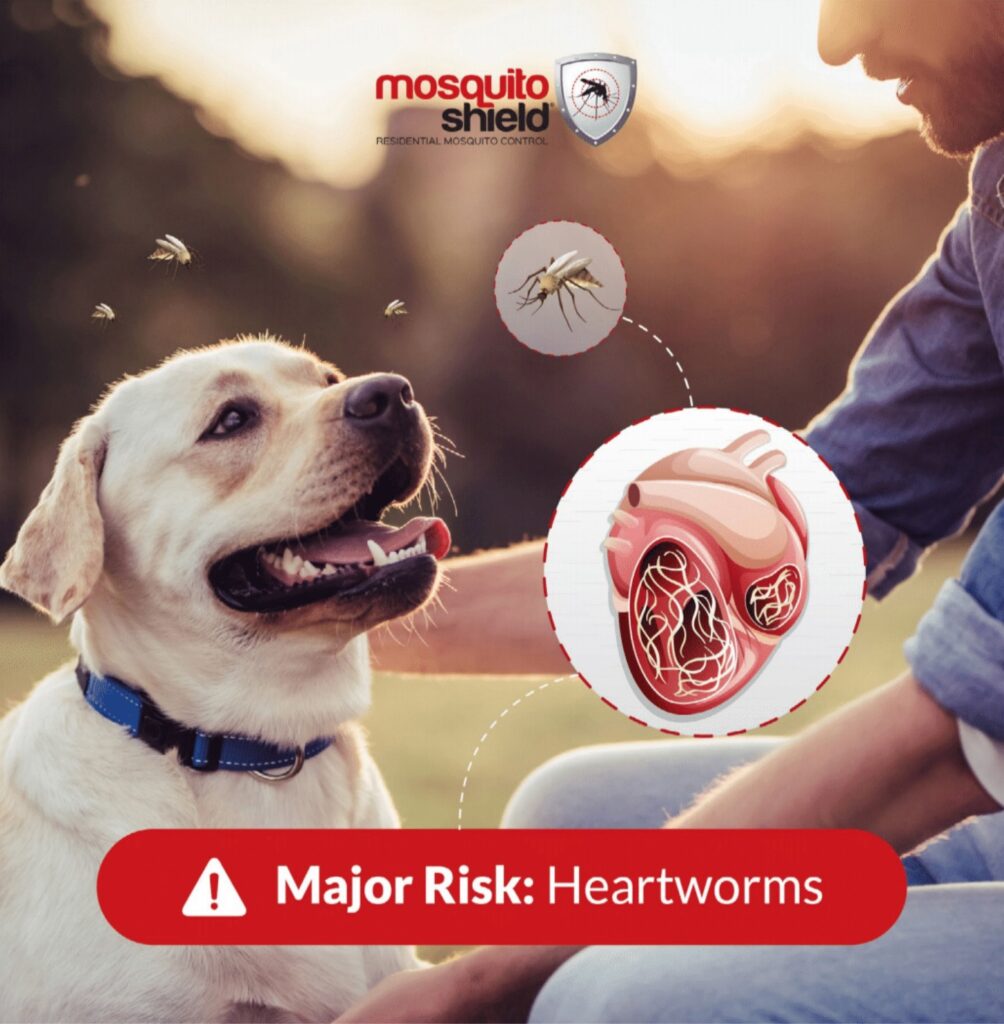
The most severe vector-borne threat mosquitoes pose to pets in the area is heartworm disease. Heartworm infection is caused by the parasite Dirofilaria immitis, which is transmitted between animals solely through the bite of an infected mosquito. Once a dog is infected, the larvae develop into adult heartworms that reside in the heart and pulmonary arteries over a period of 5 to 6 months, leading to severe cardiopulmonary disease.
While dogs are the primary hosts, cats are also susceptible to feline heartworm disease. Although less common because cats are not the preferred target for mosquitoes, feline infections can result in respiratory issues, heart murmurs, or arrhythmias.
To mitigate the risks associated with the upcoming mosquito season, pet owners should adopt a multi-layered approach to prevention: