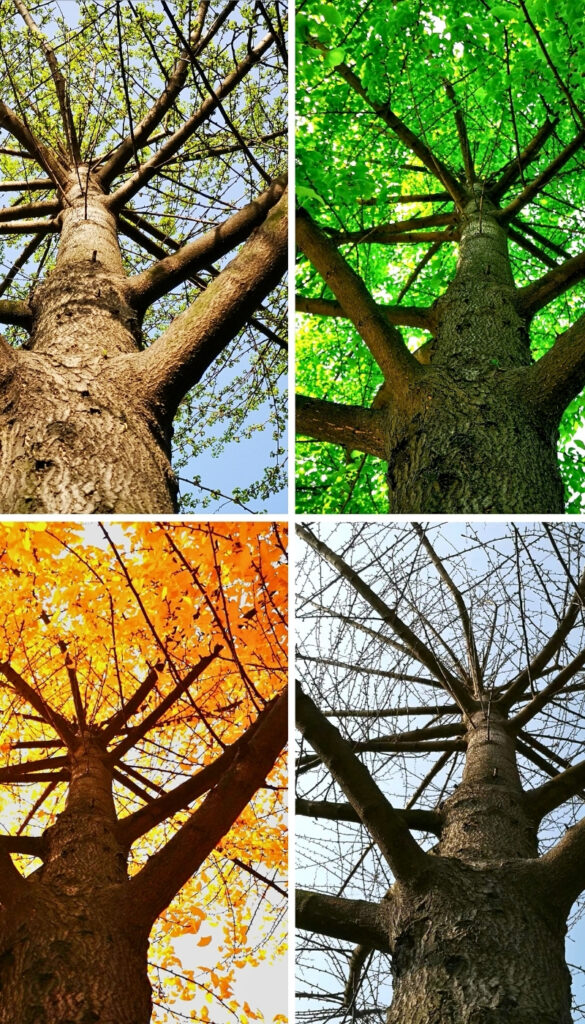
Located in Wisconsin’s Fox Valley region, Appleton experiences four distinct seasons such as cold winters, wet springs, warm humid summers, and cool autumns. These seasonal shifts have a direct influence on mosquito populations. While winter brings temporary relief, melting snow, rainfall, and rising temperatures in spring jumpstart mosquito activity, which then peaks during the humid summer months.
Mosquito season in Appleton typically begins in late April or early May when temperatures stay consistently above 50°F.

Spring (April–May)
Snowmelt and spring rainfall create ideal breeding grounds in ditches, marshy areas, gutters, and low-lying lawns.
Woodland pools and backyard containers fill with water, allowing floodwater mosquitoes (Aedes vexans) to hatch early.
As temperatures rise, overwintered eggs begin to hatch.
Summer (June–August)
Peak mosquito season. Warm temperatures and high humidity accelerate the mosquito life cycle—larvae can become adults in 7–10 days.
Thunderstorms and standing water increase population surges.
Culex mosquitoes, known to carry West Nile virus, become more active, especially at dusk and nighttime.
Early Fall (September–October)
Mosquito activity continues until nighttime temperatures drop into the 40s.
Warm autumn rains may trigger a final increase in populations.
First frost typically signals the end of the active biting season.
Winter (November–March)
Freezing temperatures halt mosquito activity.
However, many eggs from Aedes species survive the cold in dormant form and hatch the following spring when temperatures and moisture return.