Appleton’s unique location within the Fox River Valley creates a distinct environmental “pocket” that directly influences pest behavior. Bordered by Lake Winnebago to the south and the sprawling agricultural corridors of Outagamie and Calumet counties, the region experiences a intersection of lake-effect humidity and industrial-scale farming cycles.
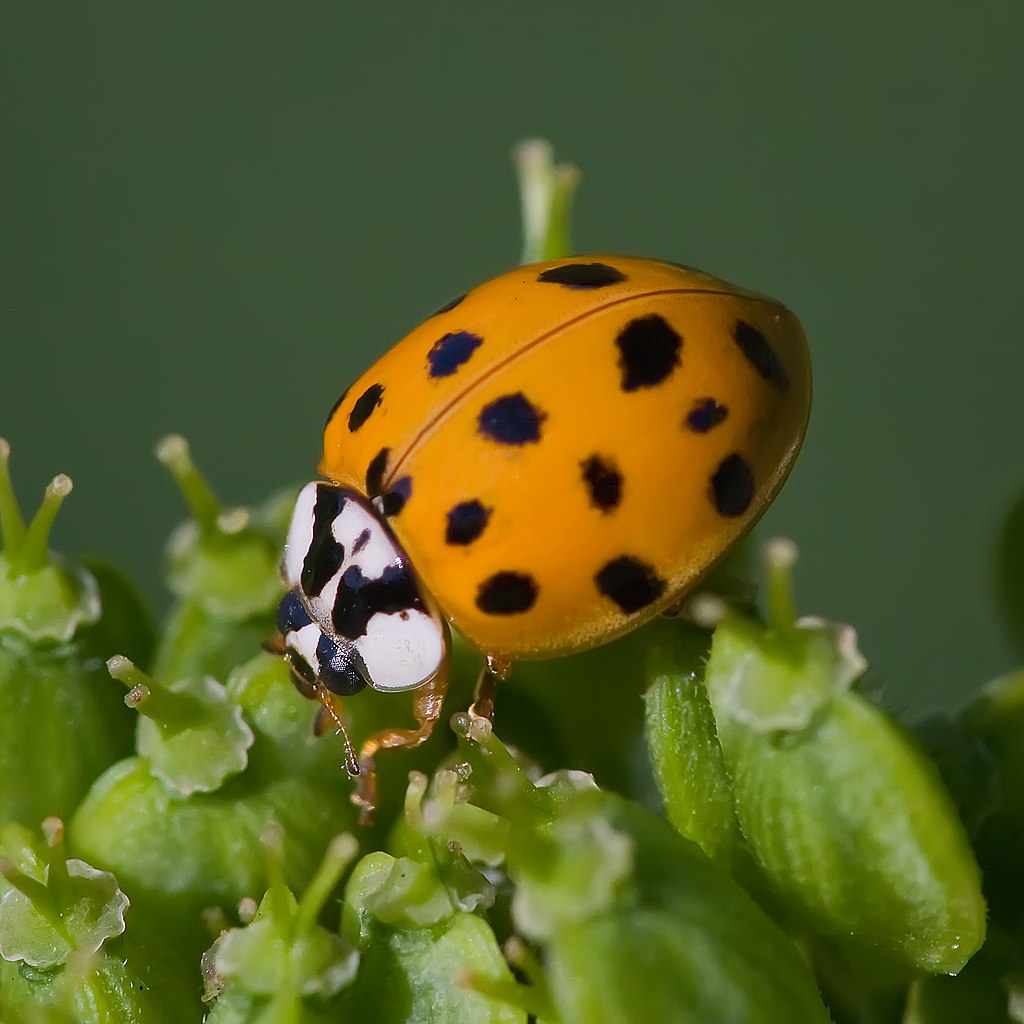
In the Appleton area, the Multicolored Asian Beetle (Harmonia axyridis) represents the most significant nuisance pest outside of mosquitoes. Unlike native Wisconsin ladybugs, these are an invasive species with a distinct “M” or “W” marking on their whitish pronotum.
The Fall “Swarm”: As soybean fields across Outagamie and Calumet counties are harvested in late September and October, these beetles lose their primary food source (aphids) and seek shelter.
Structural Attraction: They are highly attracted to sun-warmed, light-colored surfaces. In Appleton, homes with southern or western exposure often see thousands of beetles clustering on siding during “Indian Summer” days when temperatures exceed 65°F.
The “Reflex Bleeding” Issue: When agitated or crushed, they release a foul-smelling yellow fluid (hemolymph). This is not just a nuisance; it can permanently stain walls, curtains, and upholstery in local homes.
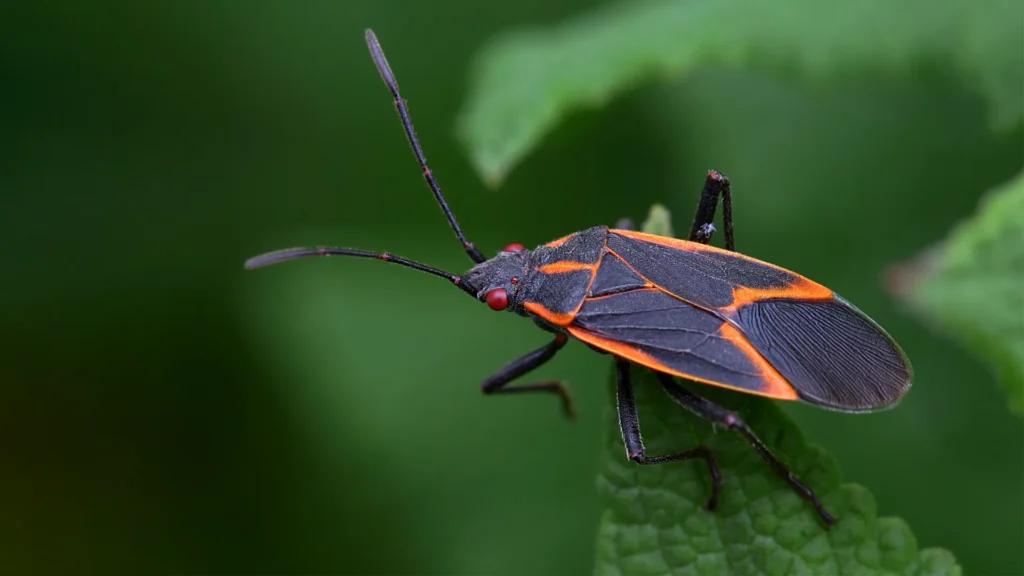
Often appearing alongside Asian beetles, Boxelder Bugs are a staple of the Wisconsin autumn. They are easily identified by their black bodies and distinctive red-orange markings.
Host Trees: These bugs are inextricably linked to the female Boxelder tree, as well as Maple and Ash trees, which are abundant in Appleton’s residential neighborhoods and parks like Memorial and City Park.
Winter Dormancy: As the Wisconsin “Freeze-Thaw” cycle begins in late October, these insects seek out wall voids and attics.
Indoor Emergence: On unseasonably warm winter days—common in January or February “thaws”—these bugs may “wake up” and emerge inside the home, congregating near windows in search of light and warmth.
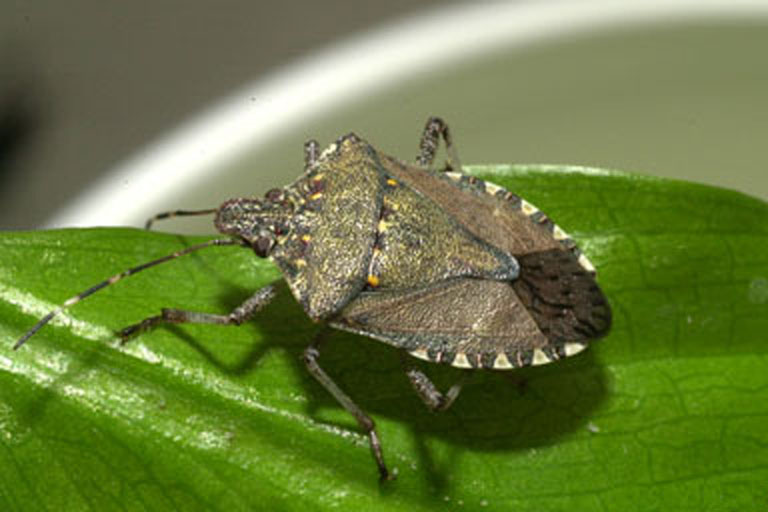
A relatively recent arrival to East-Central Wisconsin, the Brown Marmorated Stink Bug is an invasive agricultural pest that has become a major residential nuisance in the Fox Cities.
Agricultural Ties: Because Appleton is surrounded by apple orchards and vegetable farms, the BMSB population has a steady supply of host plants during the growing season.
The Odor Defense: True to their name, they release a pungent, “coriander-like” odor when threatened. In a confined indoor space, a small number of these insects can significantly impact air quality.
Climate Resilience: These pests are remarkably hardy, utilizing the insulation of Wisconsin homes to survive the sub-zero temperatures that typically kill off other outdoor insects.
While often feared, spiders in Northeast Wisconsin play a complex role in the local ecosystem. However, as outdoor temperatures drop, their visibility inside Appleton homes increases significantly.
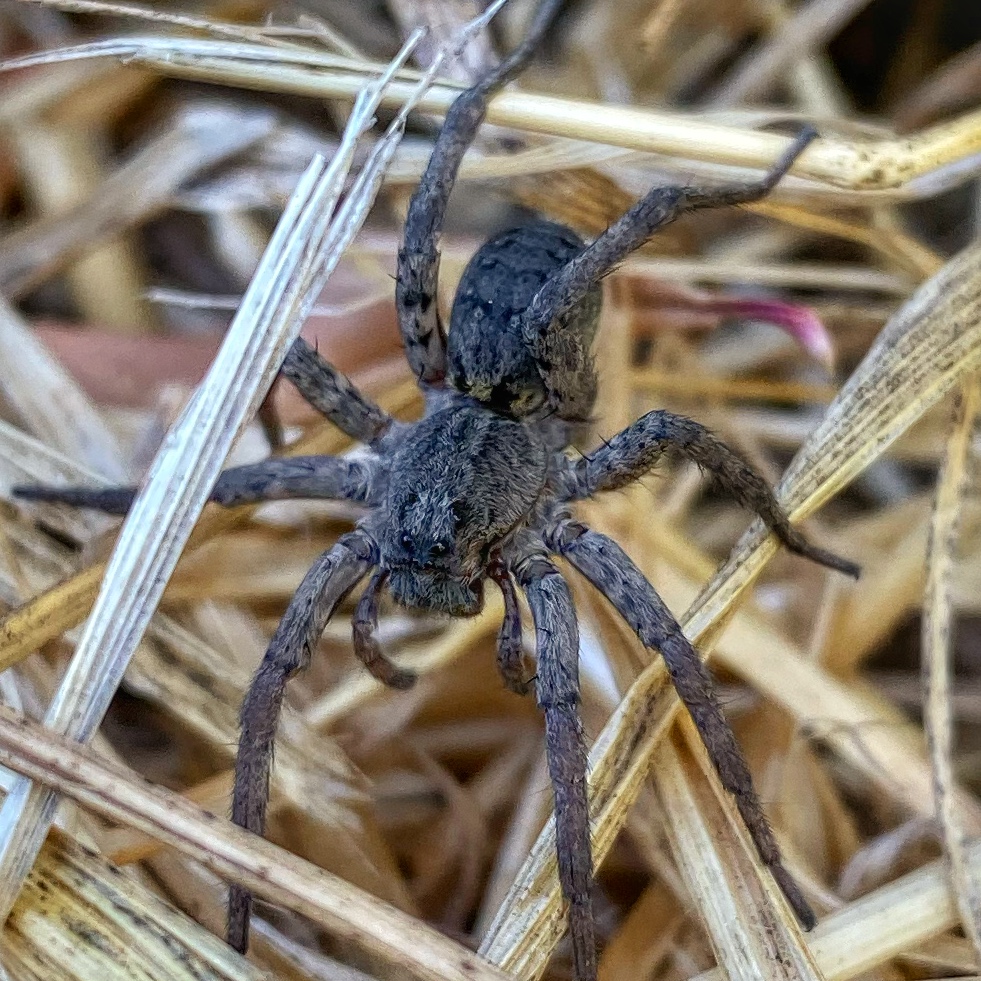
Wolf Spiders: Large, hairy, and mobile. They do not spin webs to hunt; instead, they roam across floors and basements.
Cellar Spiders: Commonly known as “Daddy Longlegs,” these are found in the damp, cool environments typical of Wisconsin basements and crawl spaces.
Yellow Sac Spiders: Often found near the junctions of walls and ceilings, these are one of the few local species that may bite if trapped against skin.