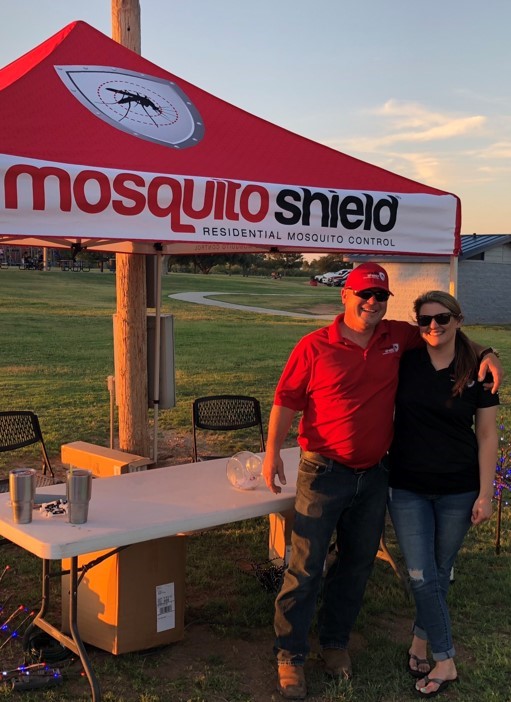
Experience relaxation and peace in your Saddle Club backyard with our proven mosquito control solution. Trusted by families in Saddle Club, our innovative approach not only repels mosquitoes but also establishes a durable barrier customized to your outdoor environment. Mosquito Shield of the Permian Basin is dedicated to creating mosquito-free zones, so you can enjoy your outdoor spaces without interruption.
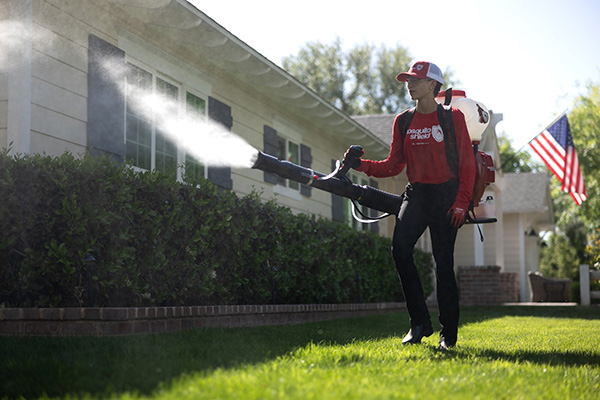
Effective mosquito control in Saddle Club, TX that drives mosquitoes away and keeps them out of your yard.

Enjoy mosquito-free outdoor time in Saddle Club with treatments designed to provide lasting results.

Highly rated mosquito control services in Saddle Club, trusted by residents to enhance outdoor living.


Saddle Club is an established residential community in Midland, Texas, known for its spacious properties, tree-lined streets, and active, family-friendly environment. With large backyards, community gatherings, and plenty of opportunities for outdoor living, residents enjoy the benefits of suburban comfort within city limits. However, the neighborhood’s well-maintained landscapes, irrigation use, and seasonal rains can create ideal conditions for mosquito and tick activity.
Even in a region with low annual rainfall, manmade water features, dense plantings, and shaded patio areas can serve as breeding and hiding spots for these pests. Residents in Saddle Club face potential exposure to mosquito-borne illnesses like West Nile Virus, along with tick-borne concerns that can impact both pets and people.
To help reduce pest activity in the Saddle Club neighborhood, homeowners are encouraged to:
Remove standing water from items like birdbaths, planter saucers, and clogged gutters.
Use insect repellent and wear long sleeves when spending time outside, especially around dusk and dawn.
Arrange regular mosquito and tick treatments for residential properties and outdoor living spaces.
Midland County may conduct seasonal monitoring and limited treatment in public areas, but ongoing, localized treatment efforts are key to controlling mosquito and tick populations in communities like Saddle Club.

Saddle Club, like much of Midland, sees hot summers, mild winters, and a growing season that stretches from early spring to late fall. While the broader climate is considered semi-arid, lush lawns, garden beds, and daily irrigation contribute to microclimates where mosquitoes and ticks can thrive.
Key Factors Influencing Pest Activity:
Mosquitoes and Irrigated Landscapes: Lawn watering, decorative fountains, and even small puddles from backyard sprinklers can serve as mosquito breeding grounds.
Ticks and Shaded Property Features: Trees, mulch beds, and thick hedges offer the shade and moisture ticks need to stay active—especially in early morning and evening hours.

Effective Spider Control in the Permian Basin
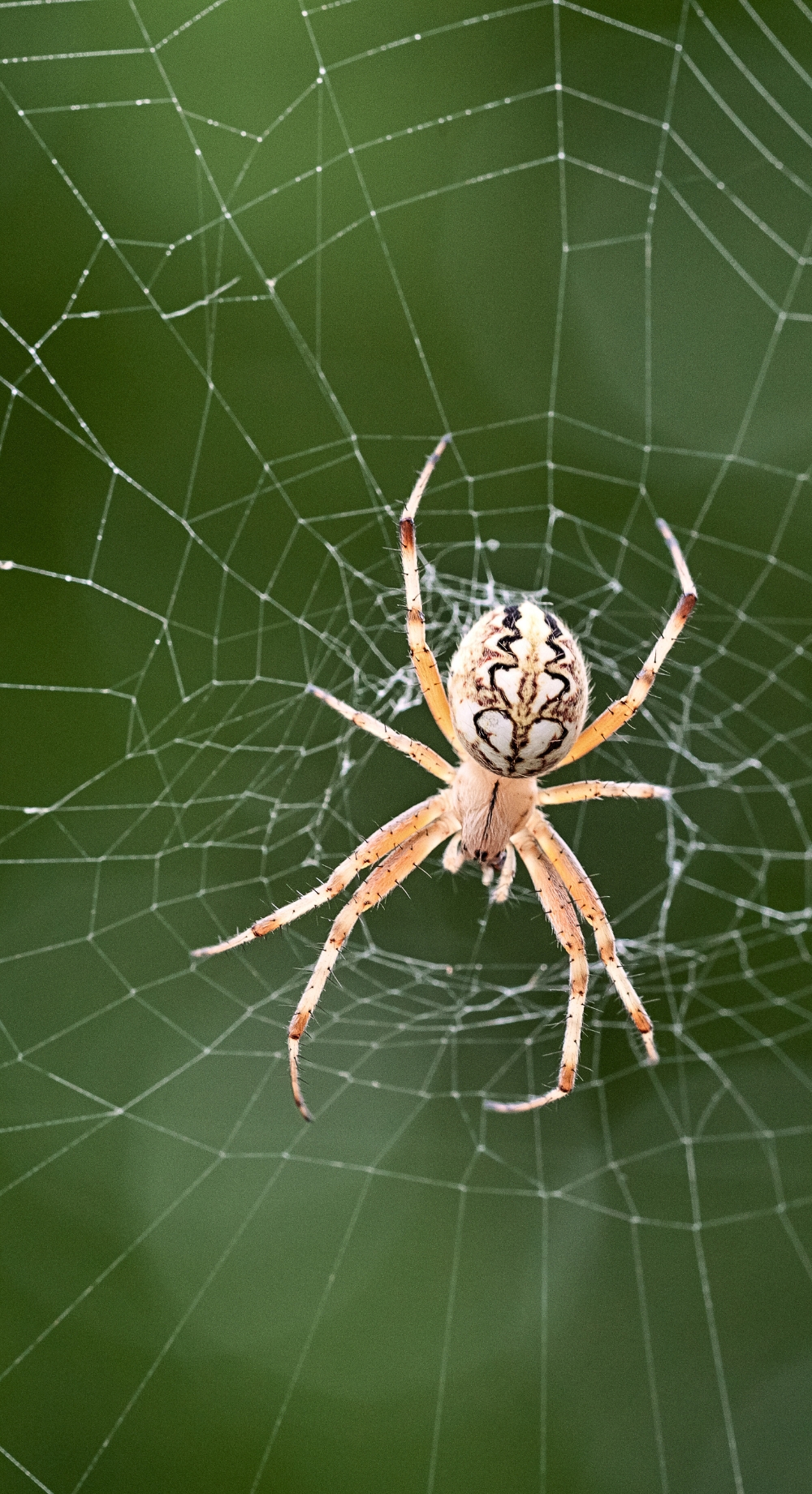
Spiders might keep a low profile, but in the Permian Basin, they’re everywhere from garage corners to patio furniture. The region’s warm, arid climate creates ideal hiding conditions, letting spider populations grow fast and out of sight. At Mosquito Shield of the Permian Basin, our exterior-only spider treatment doesn’t just knock down visible webs, it targets the nesting zones spiders rely on, helping reduce activity around your home.
Why Spiders Thrive in the Permian Basin:
Dry weather and shaded structures create ideal web-building spots
Plenty of prey (flies, ants, and other bugs) keeps populations growing
Low-traffic areas like sheds, rock beds, and under eaves provide shelter
Issues Caused by Spiders:
Webs around windows, doors, and light fixtures
Unwanted encounters in garages, patios, and outdoor seating areas
Bites from venomous species like the brown recluse or black widow
Mosquito Shield of the Permian Basin’s Pest Control Solution:
We treat the exterior of your property, focusing on spider-prone areas
Our treatments help reduce active populations and webbing over time
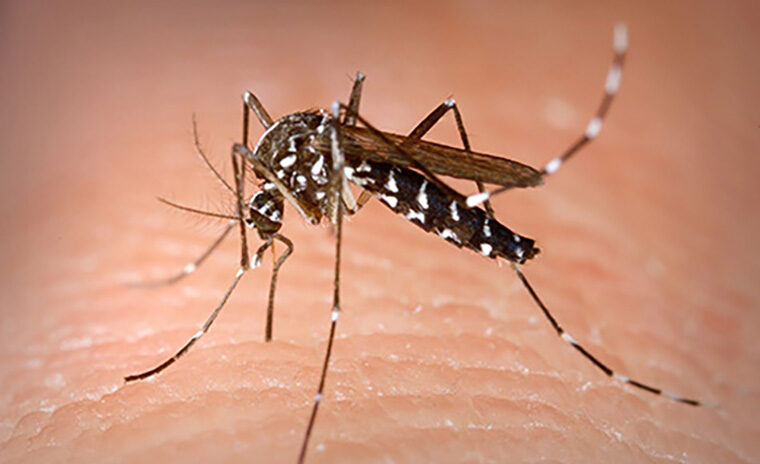
Identification: Small, dark mosquito with white stripes on the legs and a lyre-shaped marking on its thorax.
Habitat: Thrives in Midland, Odessa, and surrounding neighborhoods where water collects in flowerpots, birdbaths, and clogged gutters.
Behavior: Aggressive daytime biter, particularly around people.
Health Risks: Can transmit Zika virus, dengue, and chikungunya.
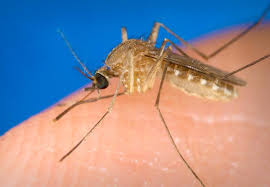
Identification: Light brown body with darker bands across the abdomen.
Habitat: Found near stagnant water sources—storm drains, irrigation ditches, septic runoff, and old livestock troughs.
Behavior: Bites mostly at night and can enter homes.
Health Risks: The main West Nile virus carrier in West Texas.
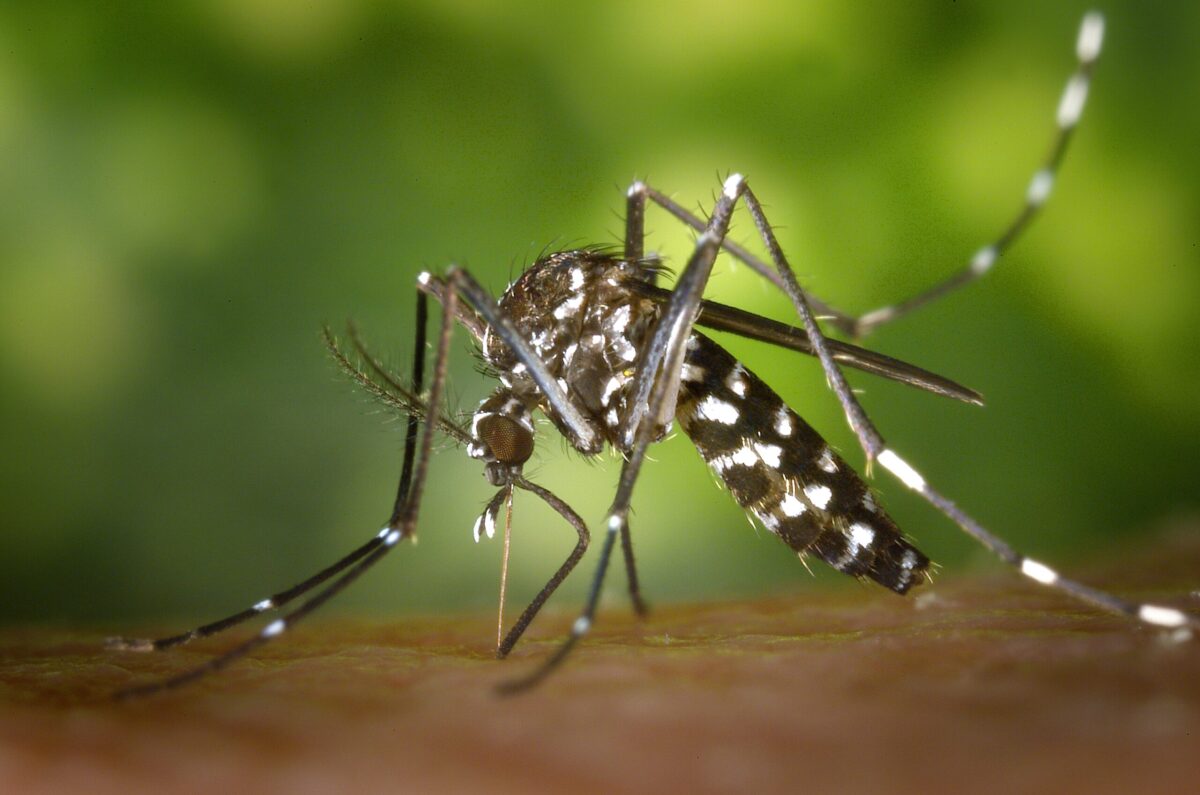
Identification: Black body with a bright white stripe running down the back and banded legs.
Habitat: Common around shaded residential yards, sports fields, and overwatered lawns in the Basin. Breeds in small water containers.
Behavior: Active during the day; often bites ankles and lower legs.
Health Risks: Potential vector for West Nile virus, dengue, and Zika.
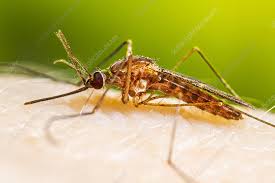
Identification: Medium-sized with four dark spots on each wing; rests at a characteristic 45° angle.
Habitat: Prefers cleaner water such as creeks, reservoirs, and retention ponds around rural ranchland.
Behavior: Active during dusk and dawn hours.
Health Risks: Historically a malaria vector; today mainly causes itchy, irritating bites.
Key Activity: Mosquito season begins as temps rise and spring rains return.
Breeding: Standing water from irrigation systems and rain showers fuels quick hatching.
Common Species Active: Aedes aegypti and Culex quinquefasciatus emerge early.
Behavior: Biting increases, especially during mornings and evenings.

Key Activity: Peak mosquito season extreme heat and late-summer storms create prime breeding conditions.
Breeding: Even small water pockets tires, buckets, or storm drains become hotspots.
Common Species Active: Aedes albopictus, Aedes aegypti, and Culex quinquefasciatus dominate.
Behavior: Biting pressure is constant day and night, especially during outdoor ranching, oilfield, and recreation activities.
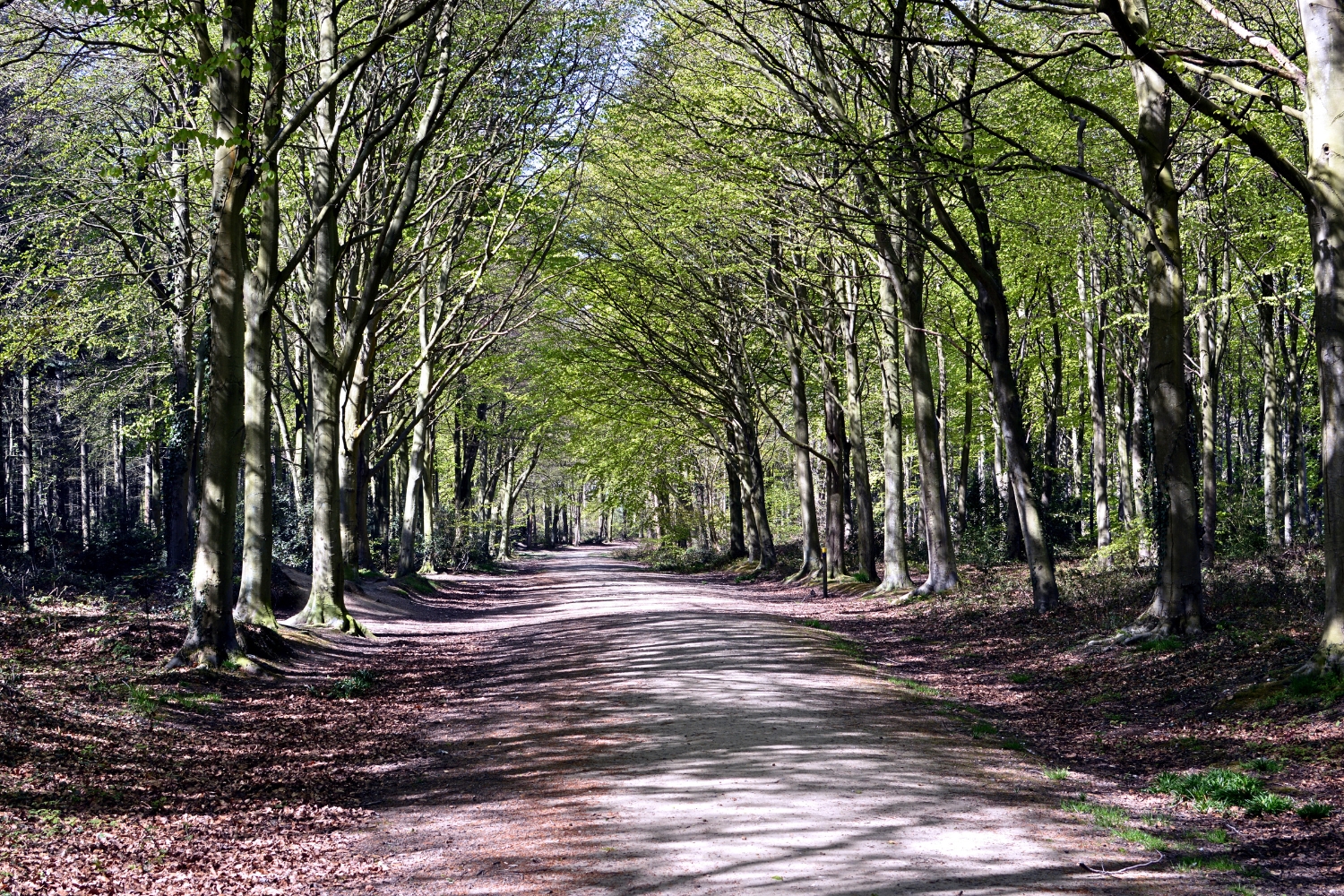
Key Activity: Mosquito activity tapers but persists into early fall if temps stay mild.
Breeding: Occasional rainfall and runoff sustain small populations.
Common Species Active: Culex and Aedes species remain, declining by late November.
Behavior: Evening bites continue in backyards and near waterways.
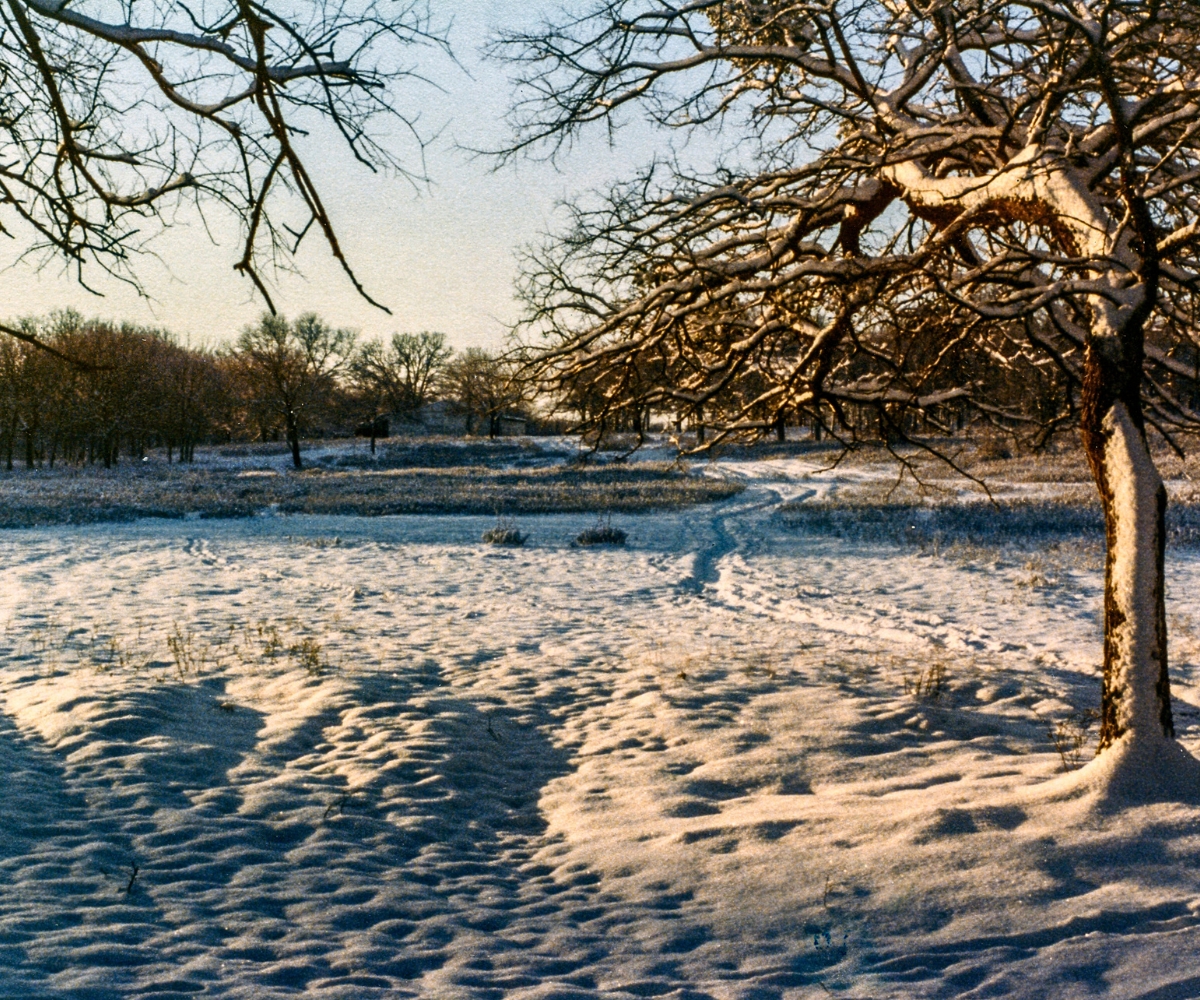
Key Activity: Activity slows dramatically but doesn’t vanish due to mild West Texas winters.
Eggs: Aedes eggs remain dormant in dry containers, waiting for spring rains.
Adults: Some Culex survive winter in protected areas like barns, crawlspaces, or sheds.
Behavior: Warm snaps after rainfall can trigger surprise mosquito activity.