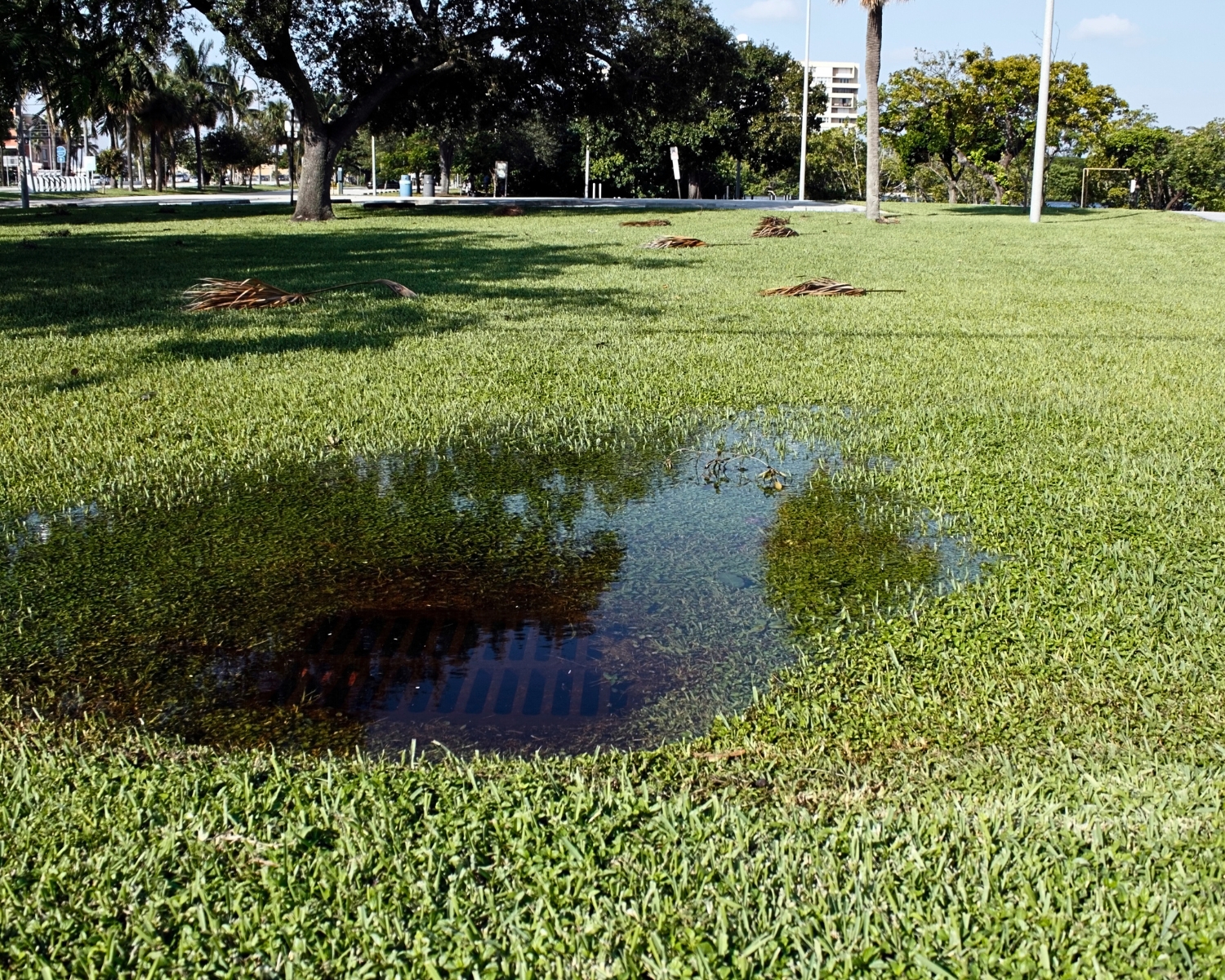
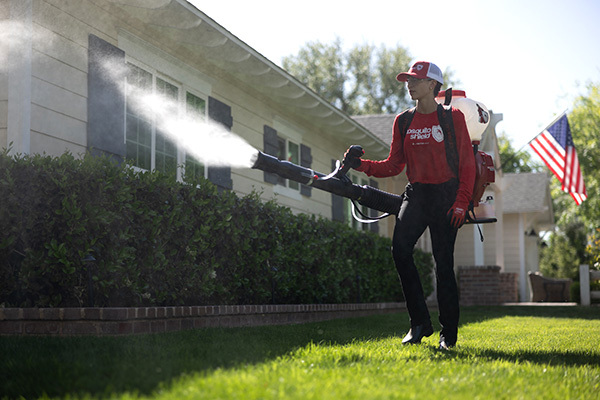
Omaha experiences cold winters followed by wet, warming springs that create favorable conditions for mosquito development. Snowmelt, spring rain, and rising temperatures can leave behind standing water in neighborhoods, parks, and low-lying drainage areas. As temperatures increase through late spring, these water sources can support early mosquito emergence before peak summer activity.
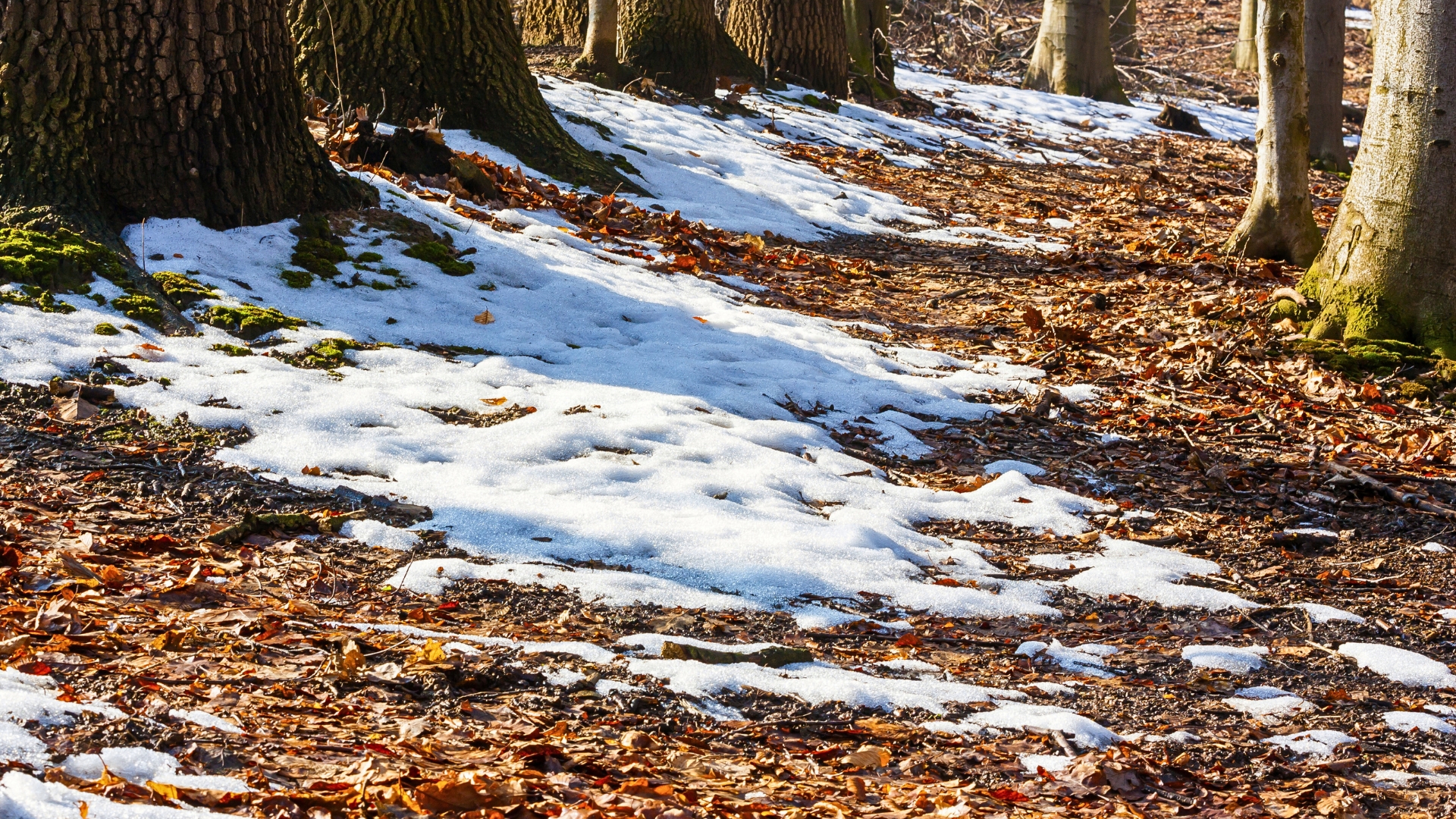
Several seasonal and environmental factors contribute to mosquito activity:
Snowmelt and spring rain creating temporary standing water
Warm, humid stretches supporting mosquito survival
Tree cover and shaded yards slowing evaporation
Storm drains and low-lying drainage areas holding water
Neighborhood containers that collect water (gutters, planters, toys, tarps)
Even small amounts of standing water can allow mosquitoes to complete their life cycle once temperatures rise.
Mosquitoes require standing water to reproduce.
Common sources in Omaha-area yards:
Clogged gutters filled with winter debris
Low spots where snowmelt and spring rain collect
Birdbaths and plant saucers
Tarps, toys, and outdoor equipment collecting rainwater
Storm drains and low-lying drainage areas nearby
Removing or managing these sources helps reduce mosquito breeding opportunities.
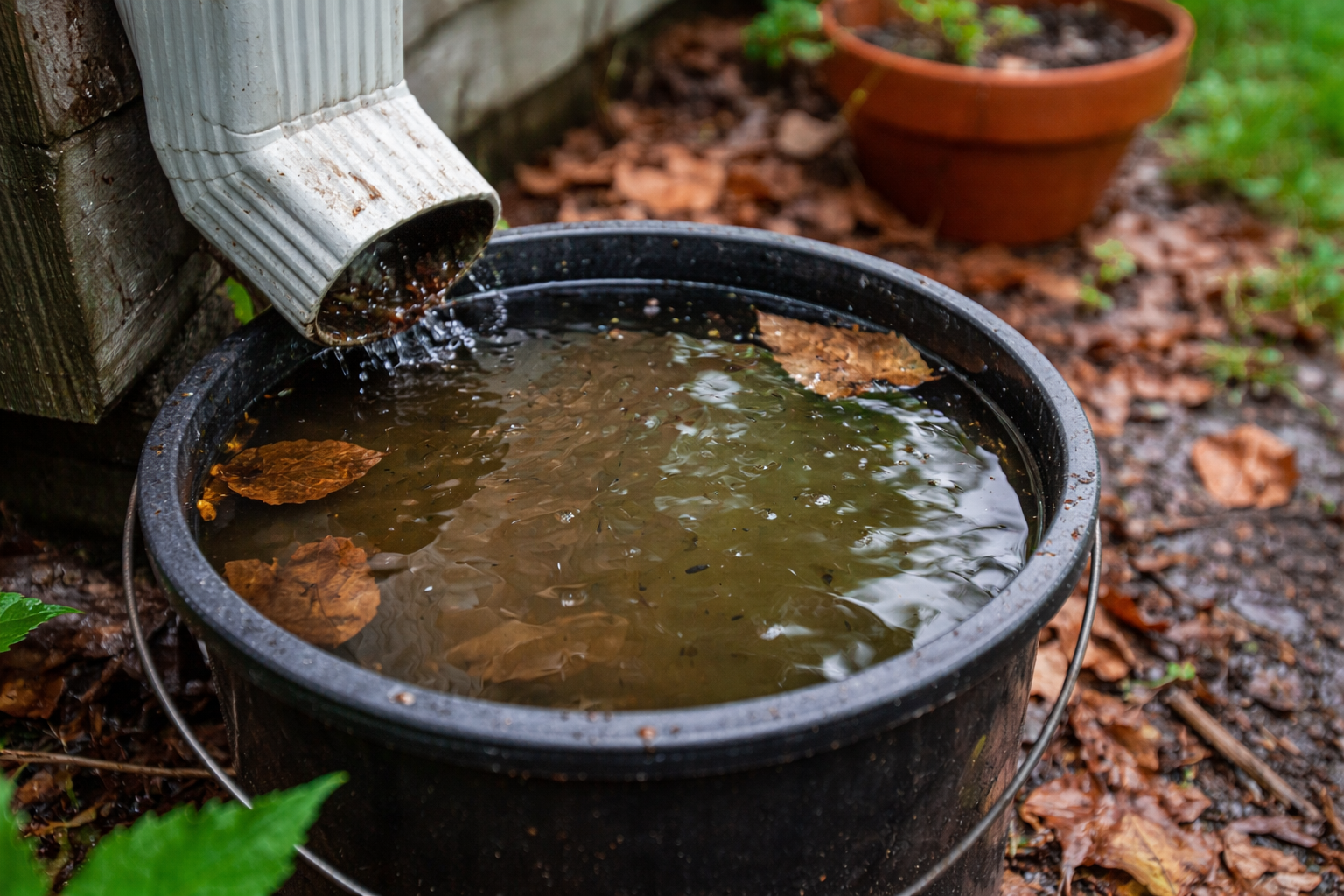
Winter debris and early spring growth can trap moisture.
Spring cleanup steps:
Remove leaf litter and organic debris
Clear branches and yard waste
Refresh mulch to improve drainage
Store unused containers properly
These steps help reduce damp environments that support mosquito development.
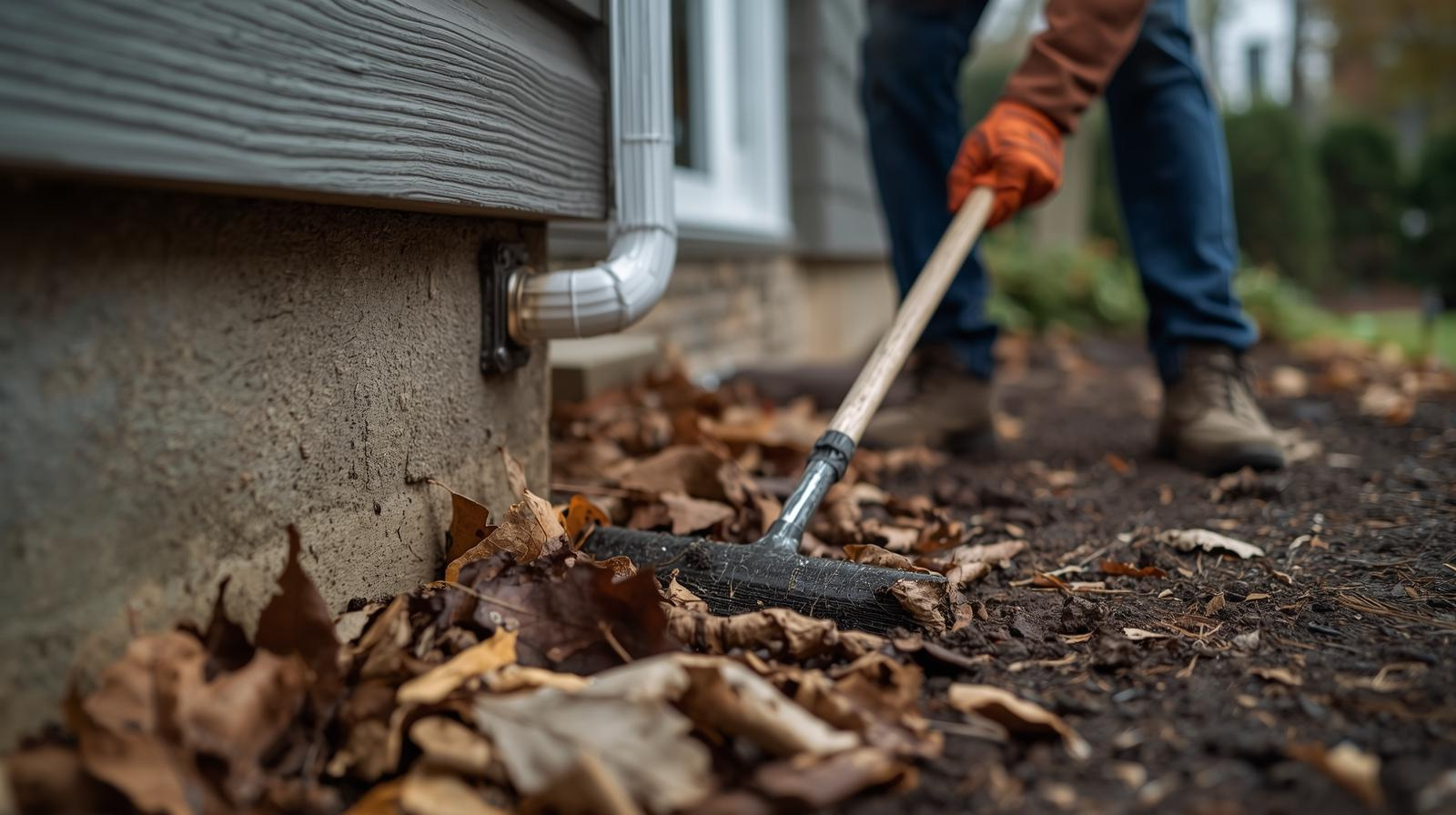
Spring rain can overwhelm drainage systems.
Areas to inspect:
Downspouts directing water away from foundations
Yard grading and pooling areas
Driveways and patios where water collects
Areas near storm drains and retention basins
Improving drainage helps limit standing water after rain.