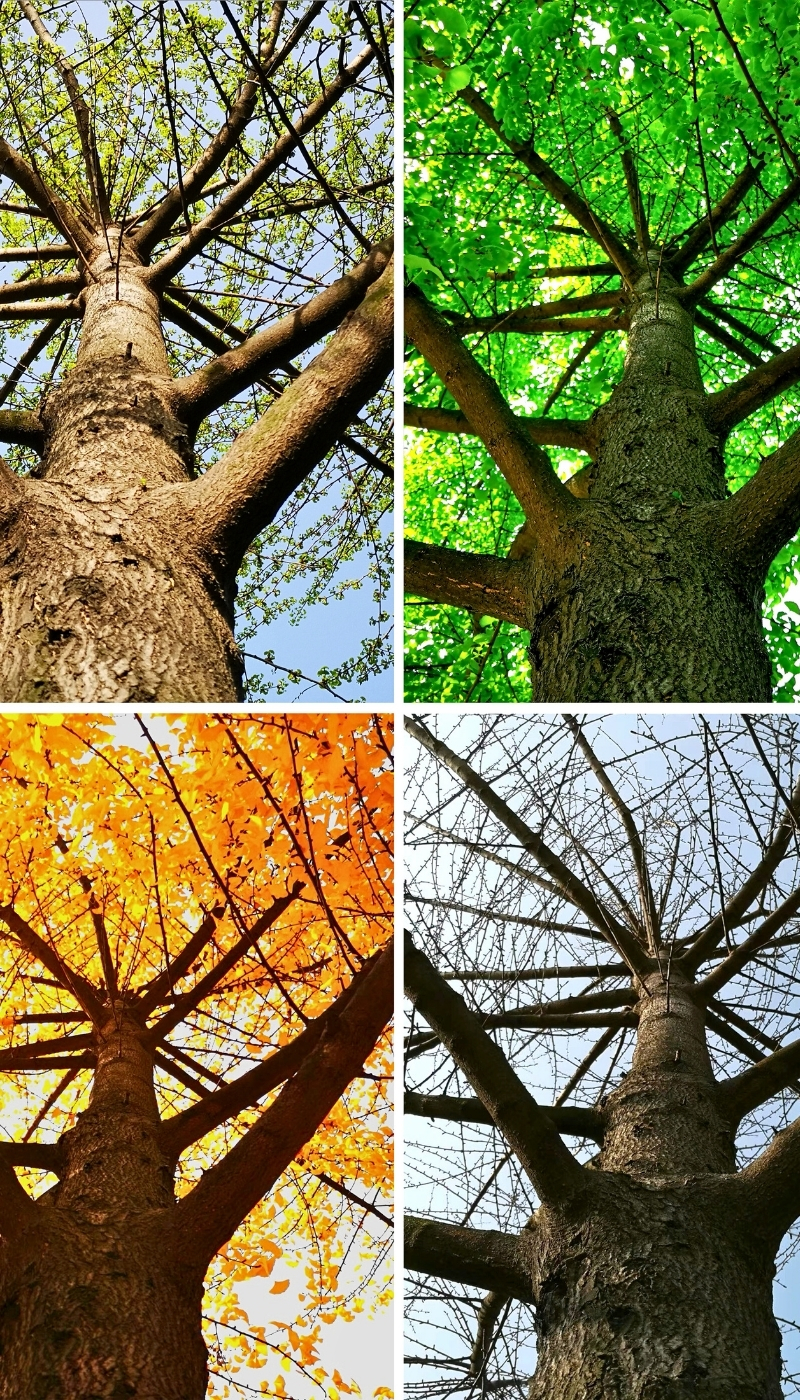
North Central New Jersey including areas such as Edison, Woodbridge, New Brunswick, Scotch Plains, Piscataway, and surrounding communities experiences four distinct seasons, each influencing mosquito populations in different ways. With humid summers, rainy springs, and increasingly warm autumns, the region supports a long mosquito season that typically stretches from April through October.
Local wetlands, wooded suburbs, marshes, creeks, and dense residential areas create ideal breeding conditions when seasonal weather patterns bring warmth and moisture.
Spring (April–May)
As temperatures climb into the 60s and 70s, mosquito activity accelerates.
Frequent spring rainfall creates temporary pools, clogged gutters, saturated soil, and woodland puddles.
Snowmelt adds moisture to low-lying areas.
Early-emerging Aedes and woodland species thrive in shaded, damp environments.
Summer (June–August)
Summer brings peak mosquito activity across North Central New Jersey.
High humidity and warm temperatures shorten the mosquito life cycle to 7–10 days.
Afternoon thunderstorms and heavy rainstorms refill standing water in yards, parks, and natural areas.
Culex species — responsible for West Nile virus risks — peak during warm, stagnant nighttime conditions.
Shaded suburban landscapes help adult mosquitoes survive longer.
Early Fall (September–October)
Mosquito activity often extends deep into the fall.
Warm autumn days keep mosquitoes active longer than many residents expect.
Culex mosquitoes remain a concern as long as nighttime temperatures stay above the mid-50s.
Early fall rain events can trigger late-season hatches.
Winter (November–March)
Cold weather slows mosquito activity but doesn’t erase it entirely.
Aedes eggs overwinter in soil and containers.
Occasional warm spells may allow limited adult activity.
Moisture during winter increases the likelihood of a strong spring season.