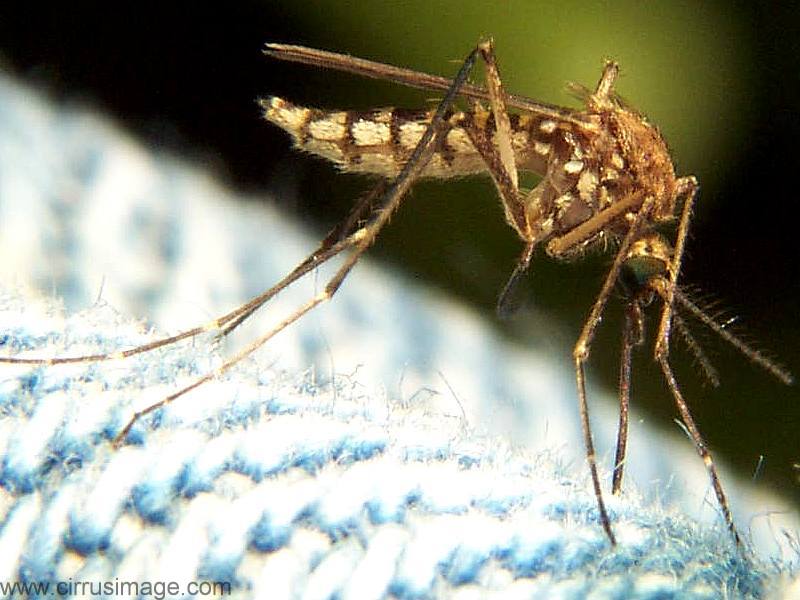
North Central New Jersey’s mix of suburban neighborhoods, wetlands, creeks, wooded parks, and urban corridors creates an ideal environment for a variety of mosquito species. Warm, humid summers paired with frequent rainfall support mosquito activity from late spring through fall, with certain species tied to nuisance biting and others linked to regional disease concerns.
Here are the most common mosquito species residents encounter across North Central NJ.
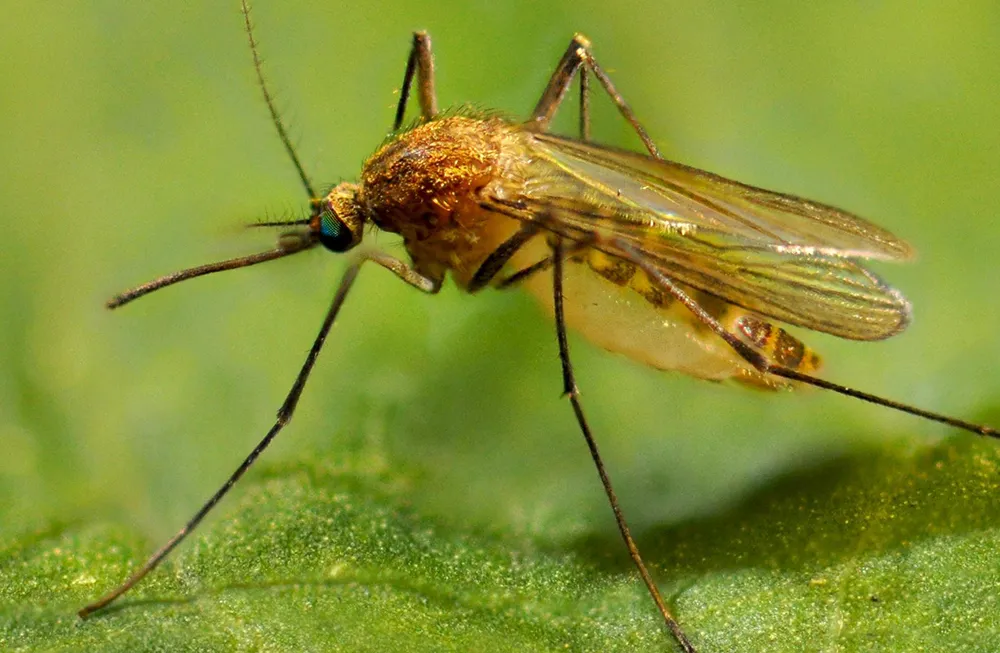
One of the most prevalent species in urban and suburban areas.
Key traits:
Breeds in stagnant water found in gutters, storm drains, birdbaths, and containers.
Most active during evening and nighttime hours.
Primary vector for West Nile virus in New Jersey.
Populations increase as warm summer nights arrive.
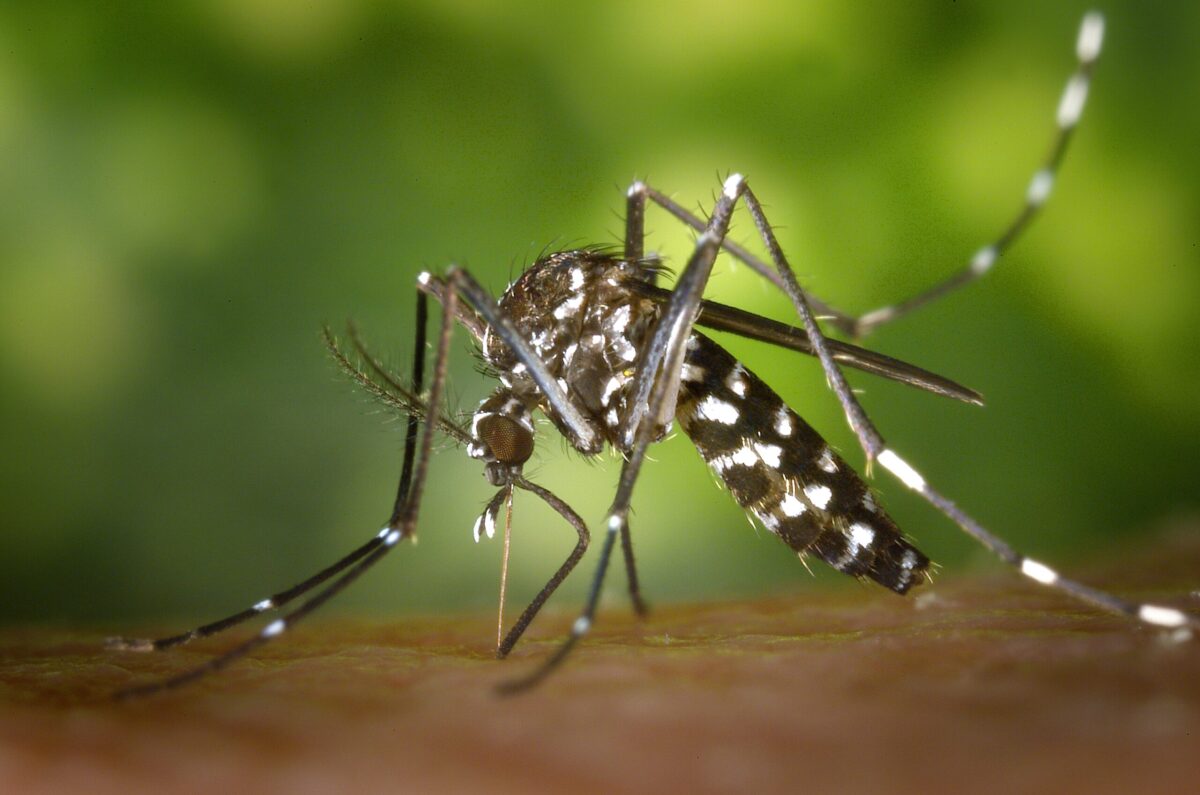
Extremely common and aggressive across North Central NJ.
Key traits:
Prominent daytime biter, especially in shaded yards and gardens.
Recognizable by bold black-and-white striping.
Breeds in containers around homes — buckets, toys, planters, gutters, tires.
Populations surge after rainfall and warm summer weather.
Widespread after heavy rain or flooding events.
Key traits:
Emerges in large numbers from temporary pools and saturated soil.
Aggressive biter at dusk, dawn, and shaded areas.
Major nuisance species in parks, fields, and wooded areas.
Not typically linked to disease transmission.