Set in the heart of Louisiana’s Gulf Coast, New Orleans has a warm, humid subtropical climate that can keep mosquitoes active for much of the year. The combination of steady humidity, frequent rain, and generally mild winters creates strong breeding conditions—especially around canals, drainage corridors, and nearby wetlands, plus any standing water that collects around homes (gutters, planters, birdbaths, tarps, and low spots).
Understanding how New Orleans’ seasonal weather patterns influence mosquito behavior helps homeowners time prevention steps and stay ahead of the biggest surges in activity.

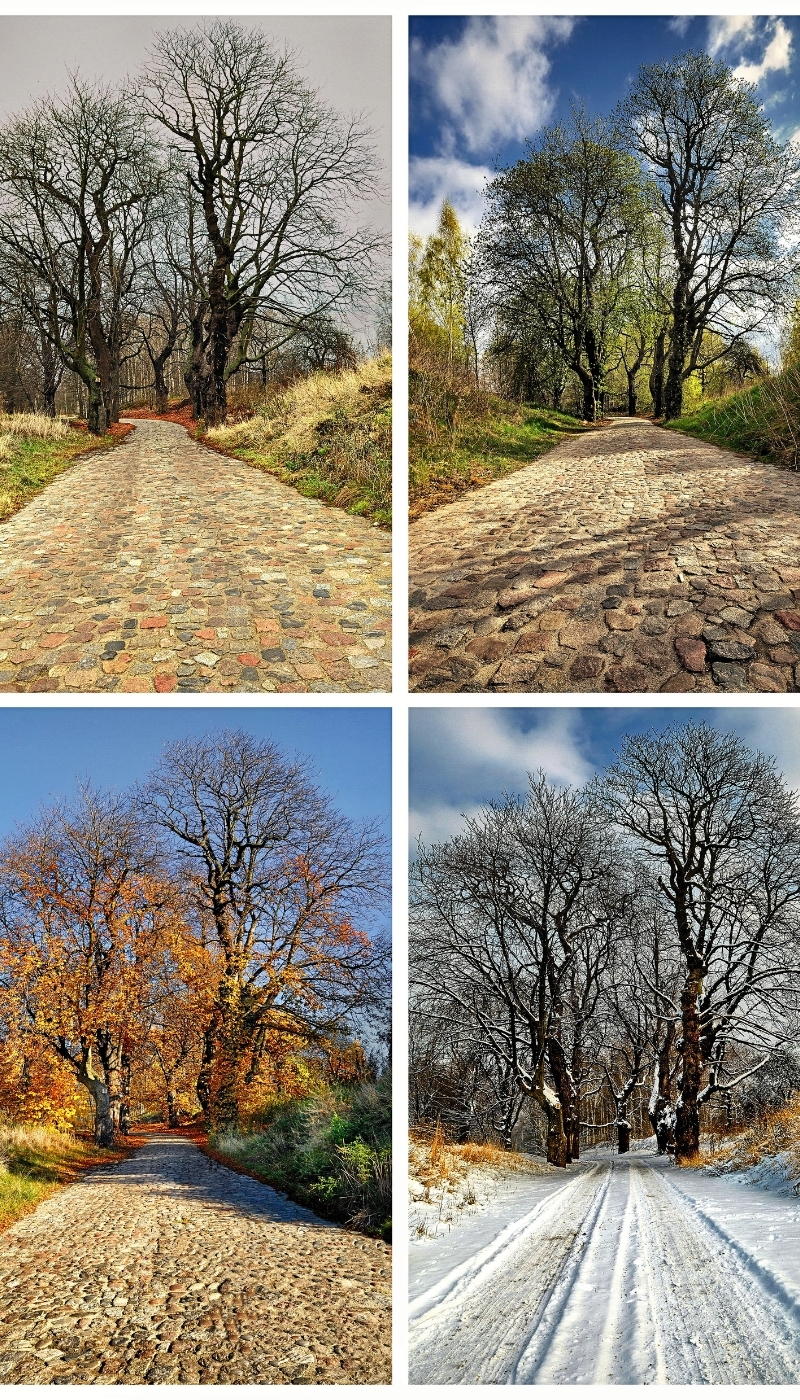
Spring (March–May)
Spring marks the beginning of mosquito season in New Orleans. As daytime temperatures consistently rise above 50°F, overwintering mosquito eggs begin to hatch.
Frequent rainfall and storms create puddles, clogged gutters, and saturated soil—perfect breeding grounds.
Tree holes, planters, birdbaths, and drainage ditches become early hotspots for species like Aedes albopictus (Asian tiger mosquito).
Summer (June–August)
Summer brings peak mosquito activity. Heat and humidity dramatically accelerate mosquito growth cycles, allowing larvae to mature into adults in as little as 5–7 days.
Afternoon thunderstorms followed by warm evenings cause rapid population spikes.
Shaded, moist environments—like beneath decks, dense shrubs, or creek beds—remain active well into the night.
Culex species, known to carry West Nile virus, become more active during dusk and nighttime hours.
Early Fall (September–October)
Mosquito activity often stays high into October due to lingering warmth and humidity.
Late-season rain showers contribute to temporary population rebounds.
As overnight temperatures slowly cool, mosquito behavior shifts to feeding more aggressively before conditions drop below survival thresholds.
Winter (November–February)
Cold weather reduces visible mosquito activity, but the season doesn’t fully eliminate them.
Eggs from Aedes species survive winter in dry containers and hatch quickly when temperatures warm.
Mild winters—which are becoming more frequent—can allow limited mosquito activity on warmer days.