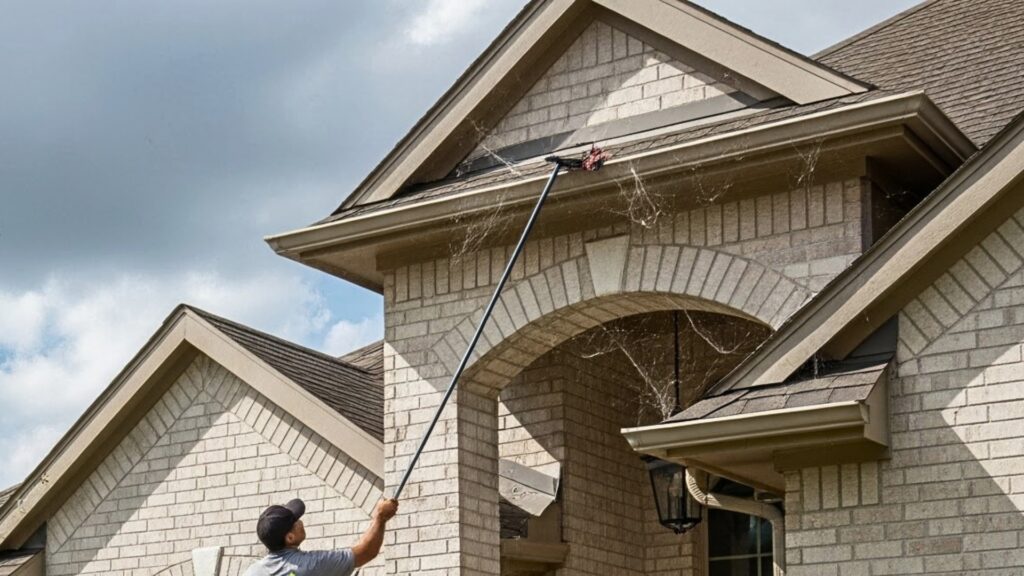
Insect activity in the United States varies drastically by region. In temperate zones like Southeastern Pennsylvania, insect populations do not experience the year-round breeding cycles seen in the Deep South. Instead, pest behavior is cyclical and highly responsive to environmental stressors:

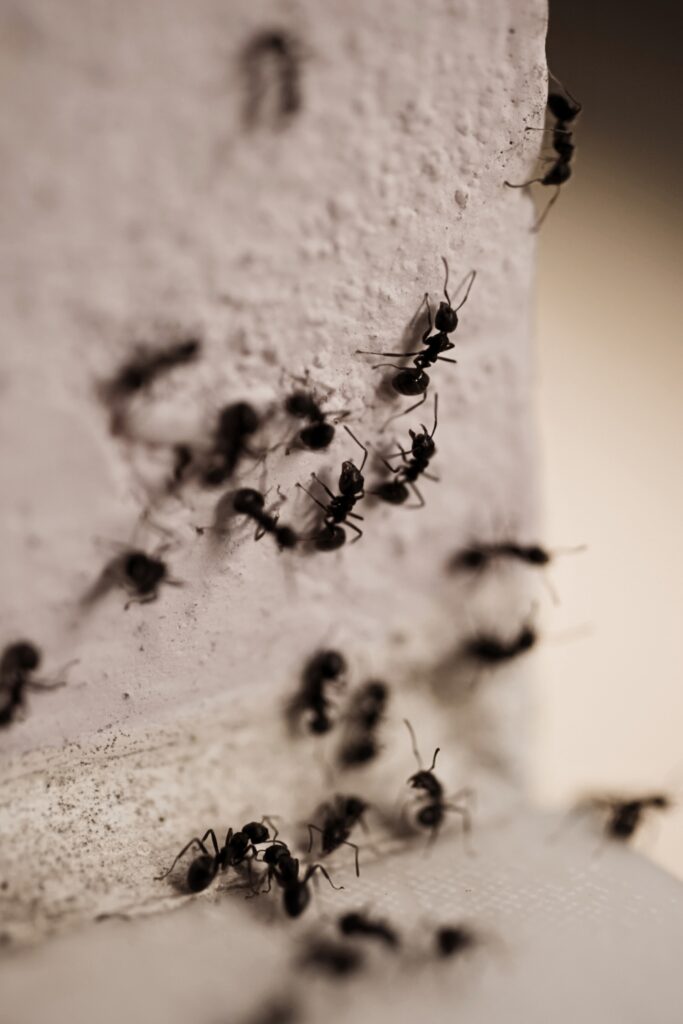
Ants are highly social insects that form complex colonies, and the soil compositions and varied vegetation of Southeastern PA support several specific species.
Odorous House Ants: Known for their distinct smell when crushed, these ants are highly attracted to moisture and sugar. They are the most common nuisance ant in local kitchens during the summer.
Pavement Ants: Typically found nesting in the soil beneath driveways, sidewalks, and foundations. They often infiltrate homes through expansion joints and foundation cracks.
Carpenter Ants: The most structurally significant species in the region. Unlike termites, they do not eat wood; they excavate it to build nests. They are drawn to water-damaged wood resulting from humid summers or melting winter snow.
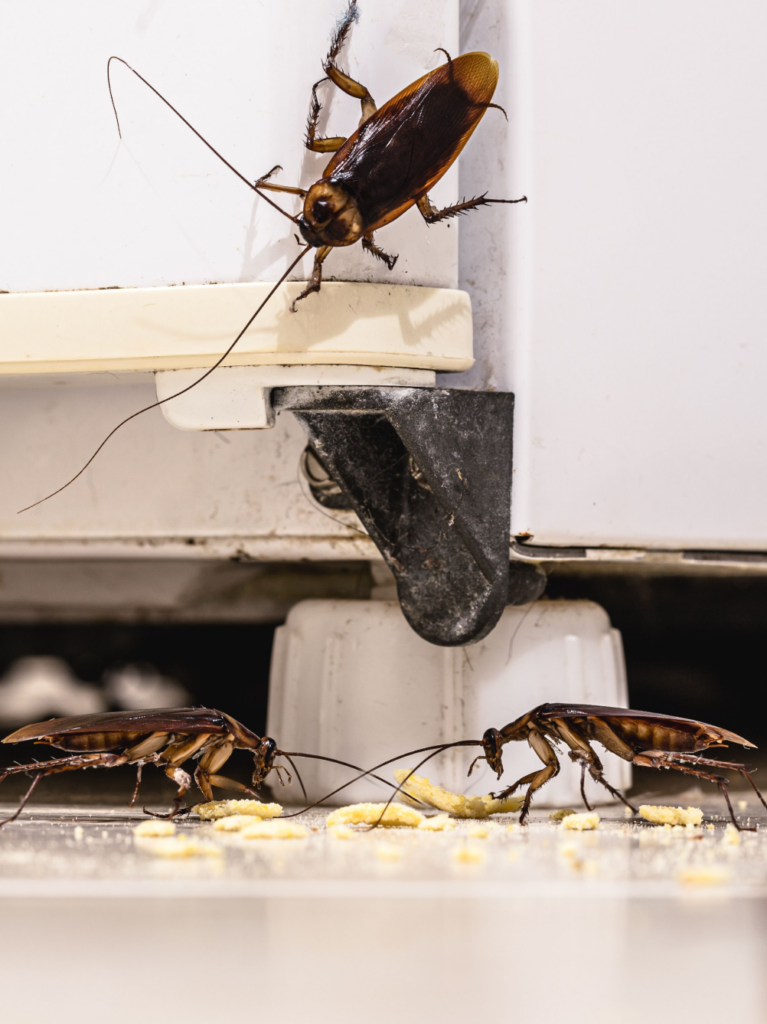
Cockroaches are highly adaptable insects with a heavy reliance on moisture, making the humid summers of Southeastern PA an ideal breeding ground.
American Cockroaches: Often referred to locally as “waterbugs.” They primarily live outdoors in decaying organic matter or in municipal sewer systems, migrating indoors during extreme heat or heavy rains
Pennsylvania Wood Roach: A native species often found in wooded suburban areas. They are attracted to outdoor lighting and may inadvertently enter homes during the summer, though they do not breed indoors.
Spiders function as secondary predators in the Southeastern PA ecosystem, feeding on the very insects mentioned above. Their populations are directly correlated with the availability of other pests.
Wolf Spiders: Large, ground-dwelling hunters that do not spin webs. They are frequently spotted in basements and garages in the fall as they follow other insects indoors for warmth.
Cellar Spiders: Commonly (and incorrectly) called “Daddy Longlegs.” They build erratic webs in dark, damp areas like unfinished basements, which are common in older PA architecture.
Yellow Sac Spiders: One of the few spiders in the region responsible for minor bites. They are active hunters that build small silk retreats in the corners of walls and ceilings.
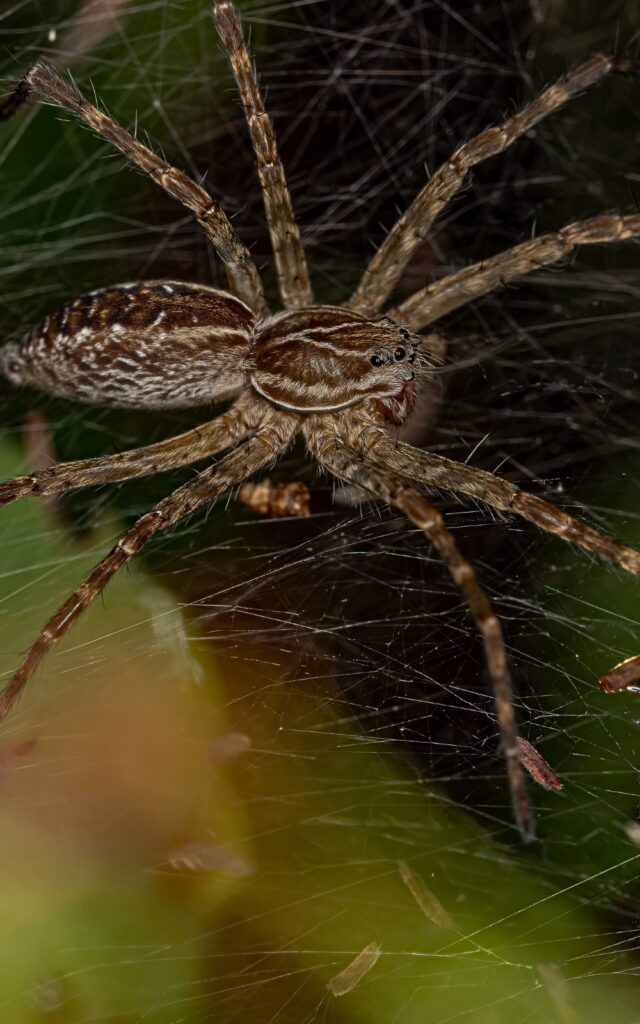
Spiders are largely beneficial to the local ecology due to their role in natural pest population control. However, their presence indoors indicates an underlying pest issue spiders only settle where a food source (other insects) is abundant. While medically significant spiders (like the Black Widow or Brown Recluse) are rare in Southeastern PA, the common regional species contribute to property nuisance through extensive webbing and the psychological discomfort associated with arachnids.