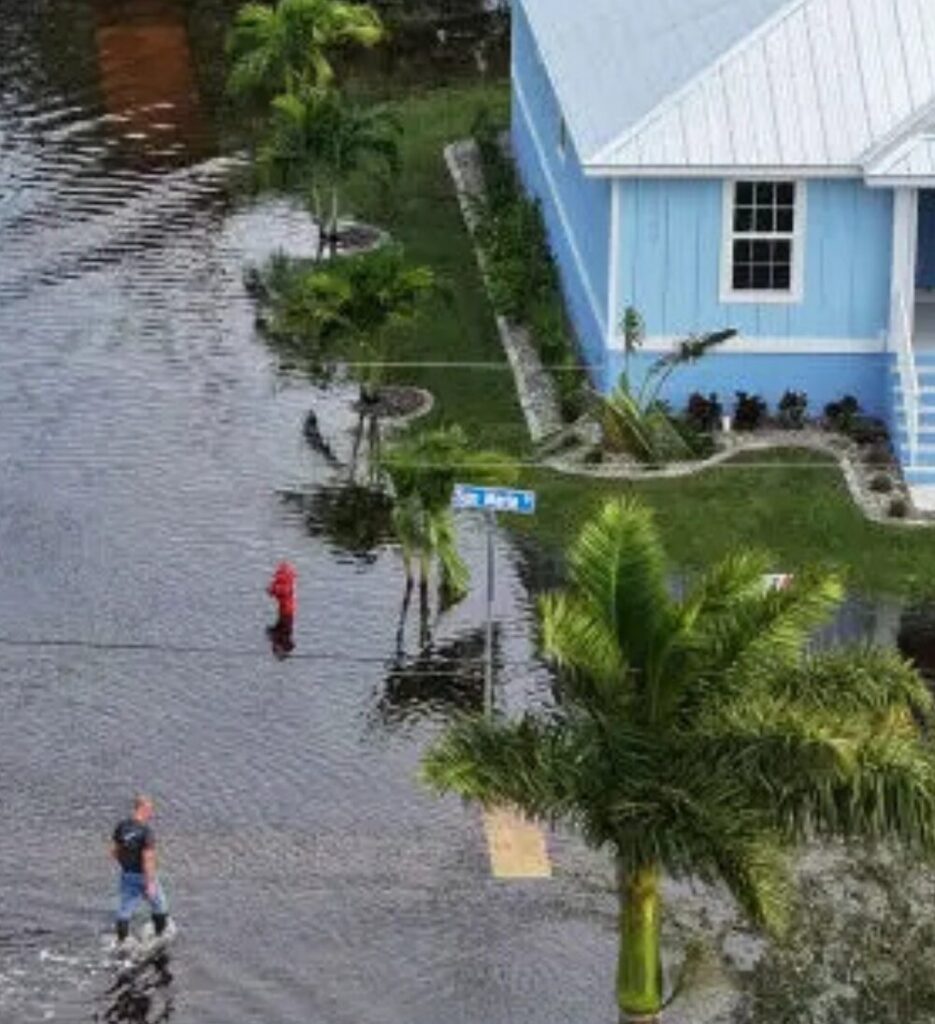
Lee County encompasses over 56,000 acres of coastal salt marsh and mangrove wetlands, forming one of the most productive biological habitats for mosquito oviposition in North America. The seasonal population dynamics in Fort Myers correlate directly with two hydrological inputs:

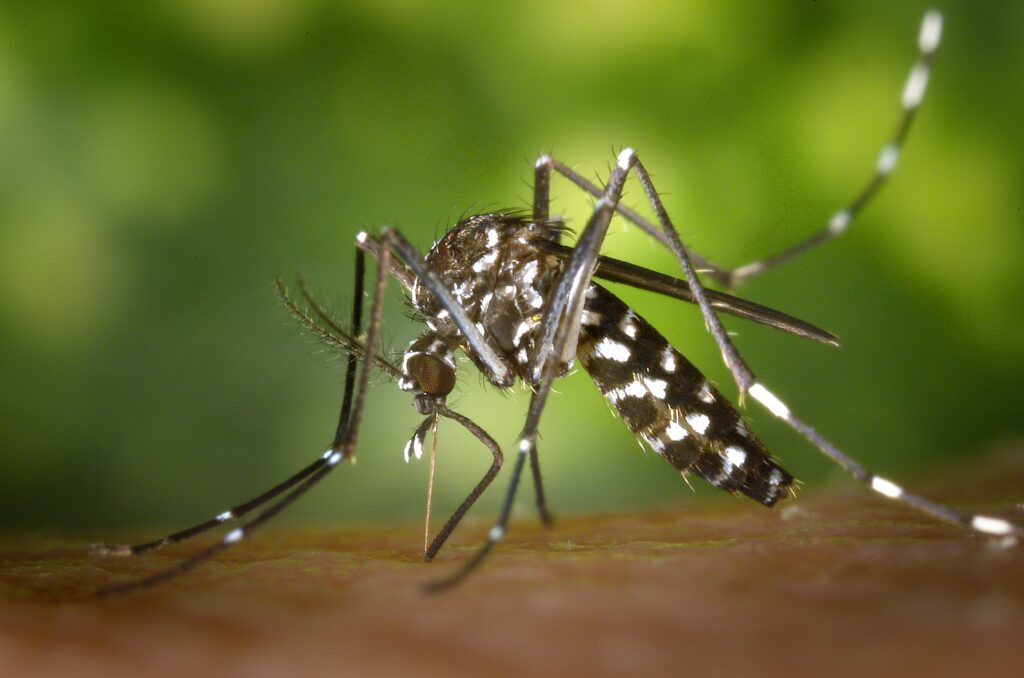
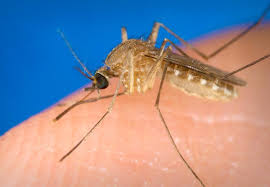
Southwest Florida hosts more than 40 native and invasive mosquito species. In Fort Myers, pest pressure and vector concerns are concentrated within three primary biological classifications:

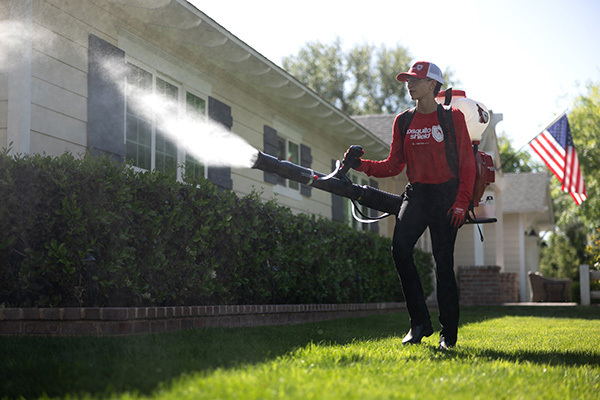
Because natural wetland reserves and high groundwater tables cannot be completely drained or altered, mosquito management in the Fort Myers metropolitan area requires an integrated structural approach combining public-sector larviciding with private perimeter defense.